
Last Updated: January 2026
If you’ve ever wondered why some people seem to have naturally glowing, fresh skin while others struggle with dullness, uneven tone, or persistent blemishes despite using similar products, the answer often lies beneath the surface—literally. Skin cell turnover, the continuous process by which your skin sheds old cells and produces new ones, is one of the most fundamental yet overlooked factors in achieving healthy, radiant skin.
Understanding this process and learning how to optimize it can transform your skin more dramatically than any single product or treatment. This comprehensive guide covers the science behind skin cell turnover, why it slows down, how to recognize when it needs help, and the most effective strategies to accelerate it naturally.
What Is Skin Cell Turnover?
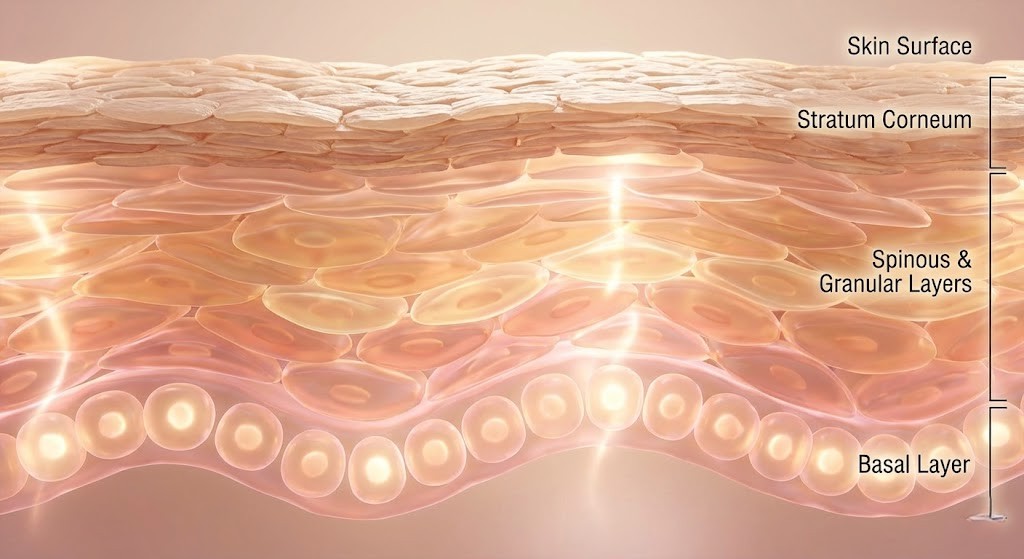
Skin cell turnover, also called epidermal cell turnover, is the continuous cycle through which your skin produces new cells in its deepest layer (the basal layer of the epidermis), gradually pushes them upward through the skin’s layers, and eventually sheds them from the outermost surface. Every single skin cell begins life deep within the epidermis and makes a journey toward the surface over the course of weeks, eventually becoming a flattened, keratin-rich cell called a corneocyte before being naturally shed.
This process is happening constantly and simultaneously across your entire body—you shed approximately 30,000-40,000 dead skin cells every hour without even noticing. The visible result of efficient skin cell turnover is fresh, bright, smooth skin that reflects light evenly. When the process slows or becomes irregular, the accumulation of old, dead cells on the surface creates the dullness, roughness, and uneven tone that many people struggle to address.
Expert Insight: “Skin cell turnover is truly the foundation of healthy skin. Almost every skin concern I see in my practice—whether it’s dullness, hyperpigmentation, acne, or premature aging—has some relationship to impaired or slowed cell turnover. When we optimize this process, we address multiple skin issues simultaneously rather than chasing individual symptoms.” — Dr. Samantha Lee, Board-Certified Dermatologist
The Science of Skin Renewal: How It Works
To optimize skin cell turnover, it helps to understand the journey a skin cell takes from birth to shedding.
The Four Stages of Epidermal Cell Turnover
Your skin’s outermost layer, the epidermis, is organized into distinct sublayers that reflect the different stages of cell maturation. New keratinocytes (skin cells) are born in the stratum basale (basal layer) through cell division. As new cells are produced, they push existing cells upward into the stratum spinosum, where cells begin flattening and strengthening. Cells continue rising into the stratum granulosum, where they produce proteins and lipids that form the skin’s protective barrier. Finally, cells reach the outermost layer, the stratum corneum, where they’re now fully flattened, dead, keratin-filled corneocytes that form your skin’s primary protective barrier before being naturally shed through a process called desquamation.
The entire journey from basal layer to shedding takes approximately 28-40 days in young adults. This is why many skincare treatments and products require a minimum of 4-6 weeks to show results—your skin needs at least one full turnover cycle to reveal improvement.
How Turnover Rate Changes with Age
Age is the most significant factor affecting skin cell turnover rate, and understanding this helps explain many of the skin changes we associate with getting older.
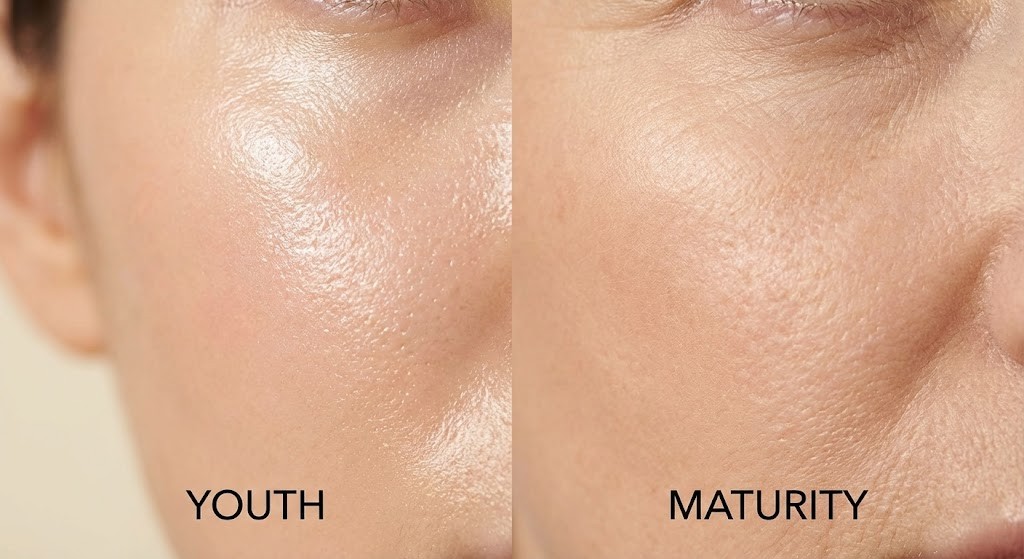
In your 20s, skin cell turnover occurs approximately every 14-21 days. This rapid renewal contributes to the naturally glowing, smooth skin many young adults enjoy. By your 30s and 40s, the cycle slows to approximately 28-45 days. Dead cells begin accumulating more noticeably on the surface, and the skin starts losing some of its natural radiance. In your 50s and beyond, turnover slows to 45-90 days or more. This significant slowdown contributes to the increased dullness, more pronounced fine lines, thicker skin texture, and slower healing of blemishes characteristic of mature skin.
This is precisely why skincare strategies that actively accelerate cell turnover—through exfoliation, retinoids, and other methods—become increasingly important as we age.
Signs Your Skin Cell Turnover Needs Attention
Recognizing the symptoms of sluggish skin cell turnover helps you address the issue before it leads to more significant skin concerns.
Persistent dullness is often the first and most noticeable sign. When dead skin cells accumulate on the surface, they scatter light unevenly instead of reflecting it, creating a flat, lifeless appearance no matter how much sleep you get.
Rough or uneven texture develops as dead cell buildup creates an irregular surface. You may notice your skin feels sandpaper-like or that foundation and other makeup products sit unevenly on your skin rather than blending smoothly.
Stubborn hyperpigmentation including dark spots, post-acne marks, and uneven skin tone that takes unusually long to fade indicates slowed cell renewal. Faster turnover moves pigmented cells to the surface where they’re shed, accelerating the natural fading process.
Increased breakouts and clogged pores occur when accumulated dead skin cells mix with sebum, blocking pores and creating the conditions for blackheads, whiteheads, and acne.
Fine lines appearing more pronounced can result from dead cell accumulation in skin creases, making lines look deeper and more defined than they actually are in the underlying skin structure.
Skincare products seeming less effective may indicate that a buildup of dead skin cells is forming a barrier that prevents active ingredients from penetrating properly, reducing the effectiveness of your entire skincare routine.
How to Accelerate Skin Cell Turnover: Evidence-Based Strategies
Exfoliation: The Most Direct Approach
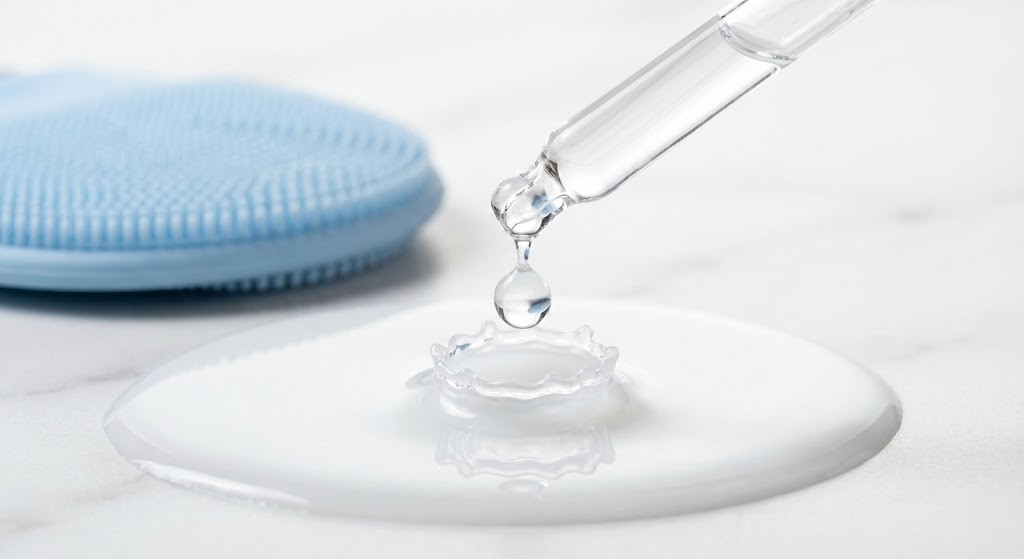
Exfoliation is the most immediate, effective method for accelerating skin cell turnover by physically or chemically removing dead cells from the skin’s surface. By clearing away accumulated dead cells, you reveal the fresher, brighter skin beneath while simultaneously signaling the deeper layers to produce new cells more rapidly.
Chemical exfoliation is generally preferred by dermatologists over physical methods because it works more uniformly and with less risk of causing micro-tears or irritation. Alpha hydroxy acids (AHAs) like glycolic acid and lactic acid dissolve the bonds holding dead skin cells together, making them particularly effective for surface brightening, hyperpigmentation, and improving overall skin texture. Glycolic acid has the smallest molecular size of common AHAs, allowing the deepest penetration and making it effective but potentially irritating for sensitive skin. Lactic acid is gentler and also provides hydrating benefits, making it ideal for sensitive or dry skin types. Beta hydroxy acid (BHA), primarily salicylic acid, is oil-soluble and penetrates into pores to exfoliate from within, making it the superior choice for oily, acne-prone skin and those dealing with blackheads.
Start with lower concentrations (glycolic or lactic acid 5-10%, salicylic acid 0.5-2%) applied 2-3 times weekly in the evening, gradually increasing frequency as your skin adjusts. Always follow chemical exfoliation with moisturizer and SPF the following morning, as exfoliated skin is more vulnerable to UV damage.
Physical exfoliation using gentle scrubs, cleansing brushes, or soft washcloths can be effective but requires a careful approach. Avoid scrubs with large, irregular particles (like walnut shell powder) that can cause micro-tears. Opt for fine, round exfoliating particles or soft silicone brushes. Use very gentle pressure—the exfoliating particles do the work, not your scrubbing force. Limit to 1-2 times weekly, as over-exfoliation damages the skin barrier and paradoxically slows the healing process.
Retinoids: The Gold Standard for Accelerating Turnover
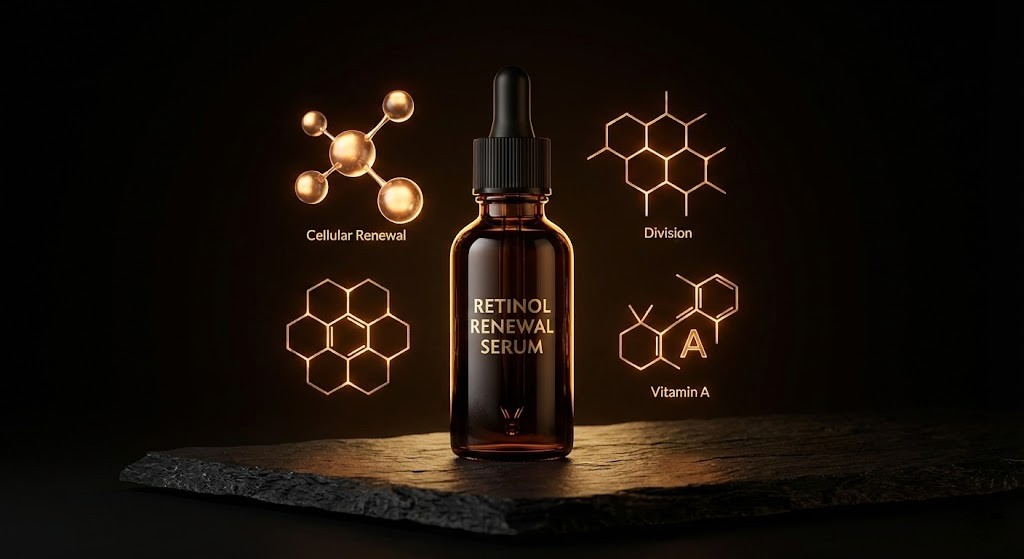
Retinoids—the umbrella term for vitamin A derivatives including retinol, retinaldehyde, and prescription tretinoin—are perhaps the most scientifically validated ingredients for accelerating skin cell turnover. They work by binding to retinoic acid receptors in skin cells, directly stimulating cell division in the basal layer while simultaneously speeding the maturation and shedding of older cells.
Decades of clinical research demonstrate that retinoids increase cell turnover rate by 30-40%, making them effective for addressing virtually every sign of aging, persistent hyperpigmentation, acne, and dullness. They also stimulate collagen production and reduce collagen breakdown, providing structural benefits beyond cell turnover alone.
Retinoids are available in a spectrum of strengths. Over-the-counter retinol (0.025-1%) is converted to active retinoic acid through two chemical conversions in the skin, making it gentler and slower-acting but still effective with consistent use. Retinaldehyde (0.05-0.1%) requires only one conversion step, offering faster results than retinol with less irritation than prescription options. Prescription tretinoin (0.025-0.1%) is the most potent form and requires no conversion—it’s immediately active and produces the fastest results but also carries the highest risk of irritation, particularly when first starting.
If you’re new to retinoids, start with a low-strength retinol 0.25-0.5% applied 2-3 nights weekly. After 4-6 weeks, increase to every other night, then nightly as tolerated. Apply a pea-sized amount to clean, dry skin in the evening, followed by a gentle moisturizer to reduce potential irritation. Expect a “purging” period of 4-8 weeks during which breakouts may temporarily worsen as accelerated turnover brings congestion to the surface—this is normal and resolves as your skin adjusts.
Hydration: The Often-Overlooked Factor
Adequate hydration is essential for efficient skin cell turnover, yet it’s frequently underestimated as a factor in skin renewal. When skin is dehydrated, cellular processes including division and communication slow significantly. The enzymes responsible for natural desquamation (shedding) are water-dependent—they need adequate hydration to function properly and dissolve the bonds between corneocytes on the skin’s surface.
External hydration through moisturizers and humectants supports turnover by maintaining the skin barrier’s integrity, which regulates water loss and creates the optimal environment for cellular processes. Look for moisturizers containing humectants that attract water to the skin such as hyaluronic acid, glycerin, and urea. Emollients fill gaps between skin cells and soften skin texture, including squalane, fatty acids, and ceramides. Occlusives create a seal to prevent moisture loss, such as shea butter, lanolin, and petrolatum.
Equally important is internal hydration. Drinking 8-10 glasses of water daily supports all cellular processes, including the metabolic activity in the basal layer where new skin cells are produced.
Topical Vitamin C
Vitamin C (L-ascorbic acid) supports skin cell turnover through several mechanisms. As a cofactor for prolyl hydroxylase enzymes, it’s essential for collagen synthesis that provides the structural scaffolding for new skin cells. As a powerful antioxidant, it neutralizes free radicals that damage DNA in skin cells and impair their function. It inhibits tyrosinase enzyme activity, reducing excess melanin production while new cells are revealed through turnover. Clinical studies show that 10-15% vitamin C serums can improve overall skin radiance and texture within 4-8 weeks of consistent morning use.
Apply vitamin C serum to clean skin in the morning before moisturizer and sunscreen. Look for stable forms including L-ascorbic acid (most researched, best with pH below 3.5), ascorbyl glucoside (gentler, more stable), or tetrahexyldecyl ascorbate (oil-soluble, penetrates well). Store in a cool, dark place and replace when the serum turns significantly orange or brown (indicating oxidation and loss of potency).
Niacinamide (Vitamin B3)
Niacinamide is a versatile ingredient that supports skin cell turnover through multiple pathways. It stimulates the production of ceramides and other lipids that comprise the skin barrier, enhancing the barrier function that’s essential for healthy turnover. It accelerates the differentiation of keratinocytes, the process by which basal cells mature into functional skin cells as they move toward the surface. It reduces melanin transfer between melanocytes and keratinocytes, working synergistically with faster cell turnover to fade hyperpigmentation more effectively.
Studies show that 4-5% niacinamide significantly improves skin texture, reduces pore appearance, and evens skin tone within 8-12 weeks of twice-daily use. It’s one of the most well-tolerated active ingredients, suitable for all skin types including sensitive skin, and can be layered with most other skincare actives.
Nutrition for Optimal Skin Cell Turnover
What you eat directly impacts the raw materials available for producing new skin cells and the efficiency of the turnover process.

Vitamin A is perhaps the most critical nutrient for skin cell turnover as it’s the dietary precursor to retinoids that directly stimulate cell division and differentiation. Find it in liver and organ meats, egg yolks, dairy products, and plant-based beta-carotene sources like sweet potatoes, carrots, butternut squash, spinach, and kale. Vitamin C supports the collagen synthesis that structures new skin cells, enhances iron absorption needed for cellular metabolism, and provides antioxidant protection against free radical damage to skin cells. Rich sources include citrus fruits, strawberries, bell peppers, broccoli, kiwi, and guava.
Vitamin E works synergistically with vitamin C as an antioxidant, protecting cell membranes from oxidative damage that can impair turnover. Find it in almonds, sunflower seeds, avocado, spinach, and olive oil. Omega-3 fatty acids maintain the integrity of cell membranes, essential for healthy cellular function, reduce inflammation that can interfere with normal turnover, and support the skin’s lipid barrier that regulates water content critical for enzyme activity. Best sources include fatty fish (salmon, mackerel, sardines), walnuts, flaxseeds, and chia seeds.
Zinc is necessary for DNA synthesis and cell division in the basal layer, supports wound healing and skin repair, and regulates sebum production relevant to pore clarity during turnover. Sources include oysters (highest concentration), beef, pumpkin seeds, and chickpeas. Protein provides amino acids essential for building new skin cells, supporting collagen and elastin structures. Hair, skin, and nails are largely composed of structural proteins requiring adequate dietary protein (50-60g daily minimum).
Lifestyle Factors That Impact Skin Cell Turnover
Sleep: Your Skin’s Repair Window

The relationship between sleep and skin health is profound and well-documented. During deep (slow-wave) sleep, your body releases peak amounts of growth hormone, which stimulates cell division and tissue repair throughout the body, including in the basal layer of the epidermis. Melatonin, released during darkness, acts as a powerful antioxidant that protects skin cells from oxidative damage. Cortisol levels drop during restful sleep, reducing the inflammation that can impair normal skin cell turnover. Blood flow to the skin increases during sleep, delivering oxygen and nutrients to skin cells more efficiently.
Consistently getting 7-9 hours of quality sleep isn’t just good for energy—it’s one of the most powerful things you can do for your skin’s renewal capacity. Establishing a regular sleep schedule and creating a sleep-conducive environment (cool, dark, and quiet) maximizes these restorative benefits.
Stress Management
Chronic psychological stress has well-documented negative effects on skin health, including direct impairment of skin cell turnover. Elevated cortisol from chronic stress slows cell division in the basal layer, reducing the rate of new cell production. Stress impairs skin barrier function, disrupting the environment necessary for efficient desquamation. Inflammation triggered by stress hormones damages skin cells and interferes with normal renewal processes.
Regular stress management practices aren’t merely beneficial for mental health—they directly support the physiological processes underlying healthy skin. Effective techniques include mindfulness meditation (even 10 minutes daily reduces cortisol measurably), regular moderate exercise (particularly activities you enjoy, which reduces stress more effectively than forced exercise), adequate sleep, social connection, and professional support when needed.
Exercise and Physical Activity
Regular moderate exercise supports skin cell turnover through multiple mechanisms. Increased cardiovascular activity improves blood flow to the skin, delivering more oxygen and nutrients to support cellular metabolism in the epidermis. Exercise promotes the release of growth factors and hormones that stimulate cell division. Sweating during exercise has a mild cleansing effect on pores, though this shouldn’t replace regular cleansing. Exercise also reduces chronic stress and improves sleep quality, creating a positive cascade of benefits for skin renewal.
Aim for at least 30 minutes of moderate-intensity exercise most days of the week. Activities that combine cardio with strength training—like circuit training, swimming, or dance—provide comprehensive benefits for both overall health and skin vitality.
Sun Protection and Its Critical Role
Sun exposure is one of the most significant factors impairing healthy skin cell turnover. UV radiation damages DNA in skin cells, causing mutations that impair normal cell function and division. Chronic UV exposure triggers chronic low-grade inflammation that disrupts normal turnover cycles. UV damage causes melanocytes to overproduce melanin, creating the pigmentation irregularities that accumulate in the stratum corneum during sluggish turnover.
Daily broad-spectrum SPF 50+ sunscreen protects your investment in optimizing cell turnover by preventing the ongoing UV damage that works against all your other efforts. Apply every morning regardless of weather or plans to be indoors. UV rays penetrate windows and reflect off surfaces like water and concrete, meaning you’re rarely completely unexposed without dedicated protection.
Avoiding Skin-Damaging Habits
Certain habits actively impair skin cell turnover and counteract all your other efforts. Smoking reduces blood flow to the skin through vasoconstriction, depletes vitamin C critical for cell production, and generates massive amounts of free radicals that damage skin cells. Studies show smokers’ skin cell turnover is measurably slower than non-smokers’ of the same age. Excessive alcohol dehydrates skin (impairing enzyme activity needed for shedding), depletes B vitamins critical for cellular function, and disrupts sleep architecture that supports nighttime skin repair.
Skincare Routine for Optimal Skin Cell Turnover
Combining the right products in the right sequence maximizes results.
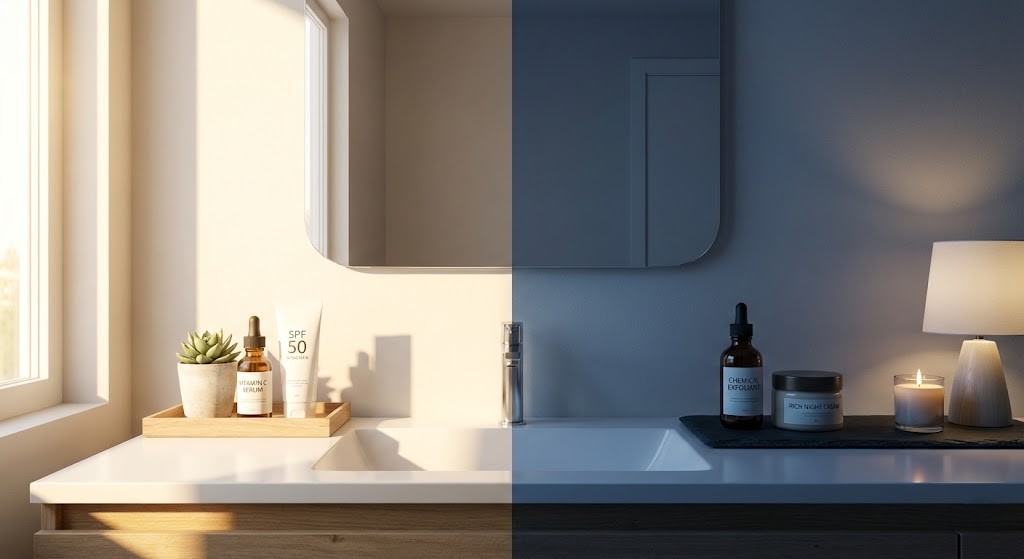
Morning routine: Cleanse with a gentle, non-stripping cleanser to remove overnight products and prepare skin for treatment. Apply vitamin C serum (10-20%) to provide antioxidant protection, support collagen synthesis, and enhance the brightening effects of accelerated turnover. Follow with a niacinamide serum or moisturizer containing ceramides to support barrier function and hydration. Finish with broad-spectrum SPF 50+—essential for protecting newly revealed fresh skin cells from UV damage.
Evening routine: Double cleanse or use a thorough single cleansing to remove sunscreen, makeup, and daily pollutants. Apply your chemical exfoliant (AHA or BHA) 2-3 times weekly on alternating nights. On nights without exfoliant, apply retinol or retinoid as your primary active treatment. Follow with a hydrating serum (hyaluronic acid) and a nourishing moisturizer to support the repair processes occurring during sleep.
Weekly: Incorporate a more intensive exfoliating mask or treatment 1-2 times weekly to enhance cell turnover more deeply, but avoid on the same nights you use other actives to prevent over-exfoliation.
Setting Realistic Expectations
Optimizing skin cell turnover is one of the most rewarding investments you can make in your skin, but results require patience. Because the turnover cycle takes 28-40+ days (and longer in mature skin), you typically need 6-8 weeks of consistent care before evaluating whether your approach is working. The most significant improvements in radiance and texture are usually visible after 3-4 months of consistent routine adherence.
Initial changes you may notice within the first 2-4 weeks include improved skin texture and softness as surface dead cells are removed more efficiently, slightly enhanced radiance as light reflects more evenly off the skin surface, and reduced appearance of clogged pores. More significant improvements visible at 2-3 months include noticeably more even skin tone, reduced appearance of fine lines (particularly surface lines that are partly created by dead cell accumulation), faster fading of hyperpigmentation, and a more youthful, luminous overall complexion.
When to See a Dermatologist
While optimizing skin cell turnover at home is achievable for most people, certain situations benefit from professional guidance. Consult a dermatologist if you experience severe skin concerns like significant hyperpigmentation, deep wrinkles, or cystic acne that don’t respond to over-the-counter treatments after 3-4 months of consistent effort, if you want to start prescription retinoids (tretinoin) for maximum results, if you’re interested in professional treatments like chemical peels or laser resurfacing that dramatically accelerate turnover, or if you experience persistent irritation, barrier damage, or unexpected reactions from active ingredients.
A dermatologist can also perform a professional skin analysis to identify your specific turnover rate concerns and create a customized treatment plan addressing your unique combination of skin concerns.
Frequently Asked Questions
What is the typical skin cell turnover rate?
In young adults, skin cell turnover takes approximately 28-40 days. This slows progressively with age—by your 50s and beyond, the cycle may take 45-90 days or longer. Optimizing turnover through exfoliation, retinoids, and healthy lifestyle habits can help compensate for age-related slowing.
Can lifestyle changes really impact skin cell turnover?
Absolutely. Sleep quality, stress levels, diet, hydration, exercise habits, and sun protection all measurably affect the rate and quality of skin cell turnover. Many people see significant improvements in skin radiance and texture simply from optimizing these factors before adding any topical treatments.
Does retinol really increase cell turnover?
Yes, retinoids are the most well-researched topical ingredient for increasing skin cell turnover. They work by directly binding to receptors in skin cells that regulate division and differentiation, increasing turnover rate by an estimated 30-40% with consistent use.
How can I increase cell turnover without retinol?
Effective alternatives include chemical exfoliants (AHAs like glycolic and lactic acid, BHAs like salicylic acid), vitamin C serums, niacinamide, adequate hydration, and lifestyle optimization through quality sleep, regular exercise, and stress management.
What foods promote skin cell turnover?
Foods rich in vitamins A (sweet potatoes, carrots, eggs), C (citrus fruits, bell peppers, strawberries), and E (almonds, avocado), along with omega-3 fatty acids (fatty fish, walnuts), zinc (oysters, pumpkin seeds), and adequate protein support optimal skin cell renewal.
How long before I see results from improving my turnover?
Initial texture improvements may be visible within 2-4 weeks. More significant improvements in tone, radiance, and hyperpigmentation fading typically become apparent at 6-12 weeks of consistent care, with maximum results developing over 3-6 months.
Is skin cell turnover the same as exfoliation?
No—skin cell turnover is the natural biological process of producing and shedding skin cells. Exfoliation is a manual method to accelerate this process by physically or chemically removing dead cells from the surface, but it doesn’t replace or substitute for the biological renewal process itself.
Medical Disclaimer: This article provides educational information only and does not constitute medical advice. Individual skin concerns can indicate underlying conditions requiring professional evaluation. Always consult a board-certified dermatologist for persistent skin issues or before beginning new skincare treatments, particularly prescription-strength products.