
Last Updated: January 2026
Dark spots on the face are one of the most common skin concerns worldwide, affecting millions of people across all ages, skin tones, and backgrounds. Whether they’ve appeared gradually from years of sun exposure, developed after an acne breakout, or emerged during pregnancy, these patches of uneven pigmentation can significantly impact your confidence and self-image.

The encouraging reality is that dark spots on the face are highly treatable. From proven home remedies to professional dermatological procedures, there are effective solutions for every budget, skin type, and severity level. This comprehensive guide walks you through everything you need to know—what causes dark spots, how to accurately identify your type, the most effective treatments, and how to prevent new spots from forming.
What Are Dark Spots on the Face?
Dark spots on the face, medically known as hyperpigmentation, occur when certain areas of your skin produce more melanin than usual. Melanin is the natural pigment responsible for the color of your skin, hair, and eyes. When melanocytes—the specialized cells that produce melanin—become overactive or damaged, they deposit excess pigment in concentrated areas, creating the flat, darkened patches we recognize as dark spots.
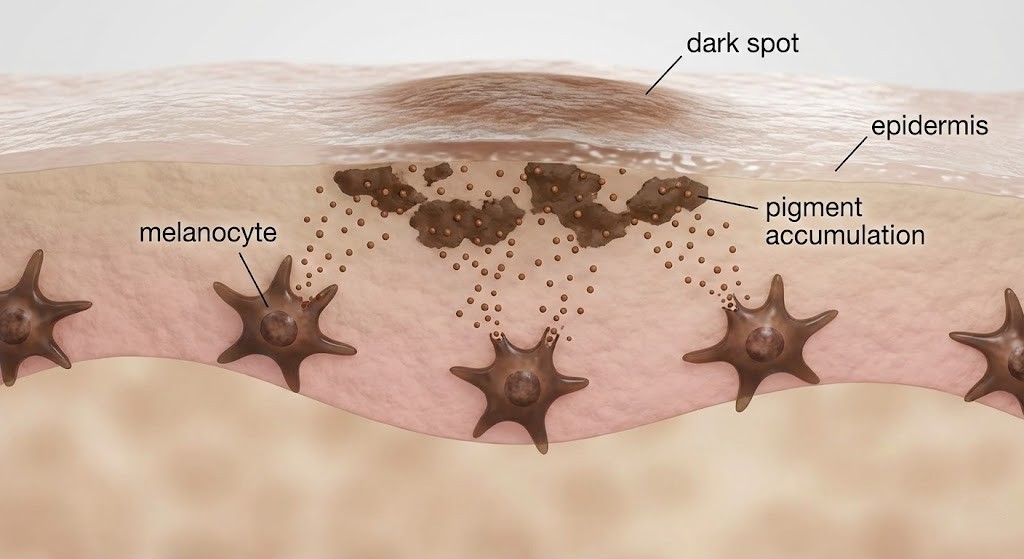
These spots can range in color from light tan to dark brown or even black, depending on your skin tone and the depth of pigmentation. They’re typically flat (not raised) and vary in size from a few millimeters to several centimeters across. While dark spots can develop at any age, they become increasingly common from middle age onward as cumulative sun damage and hormonal changes take effect.
Understanding that dark spots are essentially a melanin regulation problem—not actual damage to skin structure—is reassuring because it means they respond to treatments that target melanin production or accelerate the natural removal of pigmented skin cells.
Types of Facial Dark Spots
Not all dark spots are the same. Identifying which type you have is crucial because different types have different causes, respond to different treatments, and have different prevention strategies.
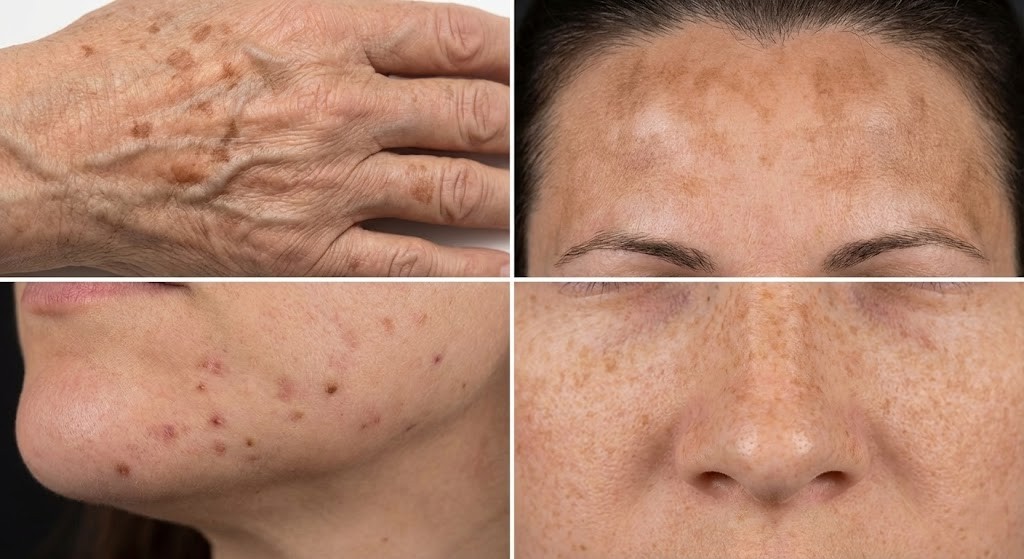
Sunspots (Solar Lentigines)
Sunspots, also called age spots or liver spots, are the most common type of facial hyperpigmentation in adults over 40. They result from decades of cumulative UV exposure that progressively damages melanocytes, causing them to produce excess melanin in localized areas. Sunspots typically appear as clearly defined, uniformly colored patches on sun-exposed areas including the face, hands, shoulders, and forearms. They range from light tan to dark brown, don’t fade in winter (unlike freckles), and tend to multiply and darken with continued sun exposure.
Melasma
Melasma is a hormonal form of hyperpigmentation that creates larger, irregular patches of discoloration, most commonly on the cheeks, forehead, upper lip, nose, and chin. It affects women far more often than men (90% of cases), with hormonal triggers including pregnancy (where it’s often called the “mask of pregnancy”), oral contraceptives, hormone replacement therapy, and thyroid disorders. Sun exposure significantly worsens melasma even after hormonal triggers are addressed, making it one of the most challenging types to treat. Melasma requires specialized treatment approaches different from other dark spot types and often benefits most from professional dermatological care.
Post-Inflammatory Hyperpigmentation (PIH)
PIH develops after skin inflammation or injury—any condition that triggers an inflammatory response can cause the skin to overproduce melanin during the healing process. Common triggers include acne breakouts (particularly inflamed pimples, cysts, or nodules), eczema flares, psoriasis, allergic reactions, insect bites or scratches, burns or cuts, and harsh skincare products that irritate the skin. PIH appears as flat spots in the location of the original inflammation. In lighter skin tones, these spots are typically pink, red, or light brown. In darker skin tones, they tend to be darker brown, blue-gray, or black and are more persistent.
Freckles (Ephelides)
Though often considered charming rather than concerning, freckles are a form of pigmentation that some people wish to fade. Unlike sunspots, freckles are primarily genetic (associated with the MC1R gene variant), are small and numerous rather than large and isolated, naturally fade in winter months and darken in summer, usually appear in childhood on fair-skinned individuals, and are concentrated on sun-exposed areas but distributed more diffusely.
Expert Insight: “The most important thing before treating dark spots is accurate identification of what type you’re dealing with. Melasma, for instance, can worsen dramatically with certain treatments that work wonderfully for sunspots or PIH. I always recommend a professional evaluation before starting any treatment regimen, especially for darker skin tones where the risk of treatment-induced worsening is higher.” — Dr. Patricia Williams, Board-Certified Dermatologist & Skin of Color Specialist
When Dark Spots Require Immediate Medical Attention

Before focusing on cosmetic treatments, it’s essential to rule out anything medically concerning. While the vast majority of dark spots are benign hyperpigmentation, some pigmented lesions can indicate skin cancer. See a dermatologist promptly if you notice any spot that is changing in size, shape, or color, has irregular, blurred, jagged, or asymmetrical borders, contains multiple colors within a single spot (brown, black, red, white, or blue), bleeds without injury, itches persistently, or crusts or doesn’t heal.
Dermatologists use the ABCDE rule for evaluating suspicious spots: Asymmetry (one half looks different from the other), Border irregularity, Color variation, Diameter larger than a pencil eraser (6mm), and Evolving (any change over time). A Wood’s lamp examination under specialized ultraviolet light helps dermatologists determine the depth of pigmentation and differentiate between types, while dermoscopy provides magnified visualization of pigment patterns that may indicate concerning changes.
Most Effective Home Remedies for Dark Spots
Natural home remedies offer accessible, affordable options for gradually fading dark spots. While they work more slowly than professional treatments, consistent application can produce meaningful improvements over 2-4 months.

Apple Cider Vinegar
Apple cider vinegar contains acetic acid, a mild alpha hydroxy acid that provides gentle exfoliation, helping to shed pigmented skin cells and promote cellular renewal. Its mildly acidic nature may also have some tyrosinase-inhibiting properties that reduce melanin production.
How to use: Mix equal parts raw, unfiltered apple cider vinegar and water. For sensitive skin, use one part vinegar to two parts water. Apply the diluted mixture to dark spots using a cotton ball, leave on for 5-10 minutes (never longer to avoid irritation), then rinse thoroughly with lukewarm water. Follow with your serum and moisturizer. Apply once daily in the evening and reduce frequency if irritation occurs. Consistent use twice daily over 8-12 weeks can produce noticeable lightening in mild to moderate spots.
Green Tea Extract
Green tea’s catechins, particularly epigallocatechin gallate (EGCG), offer antioxidant and anti-inflammatory benefits that protect against UV-induced damage and may reduce existing pigmentation. Research has shown green tea extract applied topically can have a measurable depigmenting effect.
How to use: Brew 2-3 green tea bags in a small amount of boiling water for 10 minutes to create a concentrated solution. Allow to cool completely, then apply to dark spots using a cotton ball or soaked cloth. Leave on for 10-15 minutes before rinsing. Alternatively, freeze cooled green tea in ice cube trays and gently massage the frozen cubes over spots for a soothing treatment. Green tea is gentle enough for twice-daily use and is suitable for all skin types including sensitive skin.
Aloe Vera Gel
Aloe vera contains aloin, a natural depigmenting compound that research suggests can lighten hyperpigmentation by inhibiting melanin production. Beyond its brightening properties, aloe vera soothes irritation, deeply moisturizes, and supports skin healing—making it an excellent complement to other treatments that may cause sensitivity.
How to use: Apply pure aloe vera gel directly to dark spots and the surrounding area. For maximum potency, use gel extracted fresh from an aloe vera plant. Apply a generous layer and gently massage for 1-2 minutes to enhance absorption. Leave on for at least 30 minutes or overnight for intensive treatment, then rinse with lukewarm water in the morning. Apply twice daily for consistent results. Aloe vera is gentle enough for sensitive skin and can be used indefinitely without concerns about irritation or increased sun sensitivity.
Buttermilk and Lactic Acid
Milk, buttermilk, and sour milk naturally contain lactic acid, an alpha hydroxy acid that gently exfoliates the skin, promotes cellular turnover, and has been shown to reduce hyperpigmentation over time. Lactic acid is gentler than glycolic acid, making it suitable for those with sensitive skin or darker skin tones.
How to use: Apply plain buttermilk directly to dark spots using a cotton ball. Leave on for 15-20 minutes to allow the lactic acid to work, then rinse with lukewarm water and apply your regular serum and moisturizer. For oily or acne-prone skin, add a few drops of fresh lemon juice to the buttermilk before application. Use twice daily for consistent results. Plain yogurt works similarly and provides the added benefit of probiotics that support skin barrier health.
Papaya Enzyme Treatment
Papaya contains papain, a natural enzyme with exfoliating properties that helps remove dead skin cells and may contribute to lightening hyperpigmentation. The fruit also contains vitamin C and other antioxidants that support skin brightening.
How to use: Peel a green (unripe) papaya and remove the seeds—unripe papaya contains higher concentrations of papain than ripe fruit. Blend or mash the flesh into a smooth paste. Apply to face and neck and leave on for 20-30 minutes. Rinse thoroughly with lukewarm water and apply moisturizer. Use once daily, either in the morning or evening. Perform a patch test before first use as some people are sensitive to papain.
Red Onion Extract
Clinical research has demonstrated that red onion extract (Allium cepa) has skin-lightening properties. Several commercially available scar and spot treatment products list it as an active ingredient. While fresh red onion can be irritating if applied directly, look for skincare products containing standardized Allium cepa extract for a more reliable and gentle option.
DIY use: If you want to try at home, apply the juice of a red onion to dark spots for 10-15 minutes using a cotton ball, then rinse. However, be aware that fresh onion can cause significant irritation—a commercial product standardized to contain Allium cepa is a safer, more effective option.
Hydrogen Peroxide (Use with Caution)
Hydrogen peroxide has mild bleaching properties and has been used as a spot treatment for hyperpigmentation. However, it requires careful use as it can cause irritation and, with repeated use, potential damage to skin cells.
How to use safely: Use only 3% concentration (standard pharmacy hydrogen peroxide)—never stronger concentrations. Mix 1 teaspoon of 3% hydrogen peroxide with 1 teaspoon of milk to buffer the solution. Apply to dark spots only using a cotton pad or Q-tip, avoiding surrounding healthy skin. Leave on for no more than 15 minutes, then rinse thoroughly with lukewarm water. Apply moisturizer immediately after. Use no more than 2-3 times weekly and discontinue if any irritation, redness, or burning occurs.
Important note: Due to its oxidizing properties, hydrogen peroxide should be used with caution and is generally not recommended by dermatologists as a first-line treatment when gentler, more effective alternatives exist.
Medical Procedures for Faster, More Dramatic Results
When home remedies don’t produce satisfactory results or when dark spots are severe, medical procedures offer significantly faster improvement. These treatments should only be performed or prescribed by qualified medical professionals.
Prescription Topical Treatments
Hydroquinone (4% prescription, up to 12% compounded): The gold standard prescription treatment for hyperpigmentation. It inhibits tyrosinase enzyme activity, directly reducing melanin production. Studies show 4% hydroquinone produces 60-90% improvement in dark spots within 8-12 weeks when used consistently. It must be used under medical supervision with periodic breaks to prevent potential side effects.
Tretinoin (Retin-A): Prescription-strength vitamin A derivative that dramatically accelerates cellular turnover, fading pigmented cells while treating acne and improving overall skin texture. Combination with hydroquinone enhances results significantly. Requires 3-6 months for maximum effect and increases sun sensitivity, making daily SPF 50+ essential.
Azelaic Acid (15-20% prescription): A gentler brightening option that’s particularly safe for darker skin tones. Effective for both PIH and melasma with minimal risk of side effects. Available in 10-15% concentrations over-the-counter.
Professional Procedures
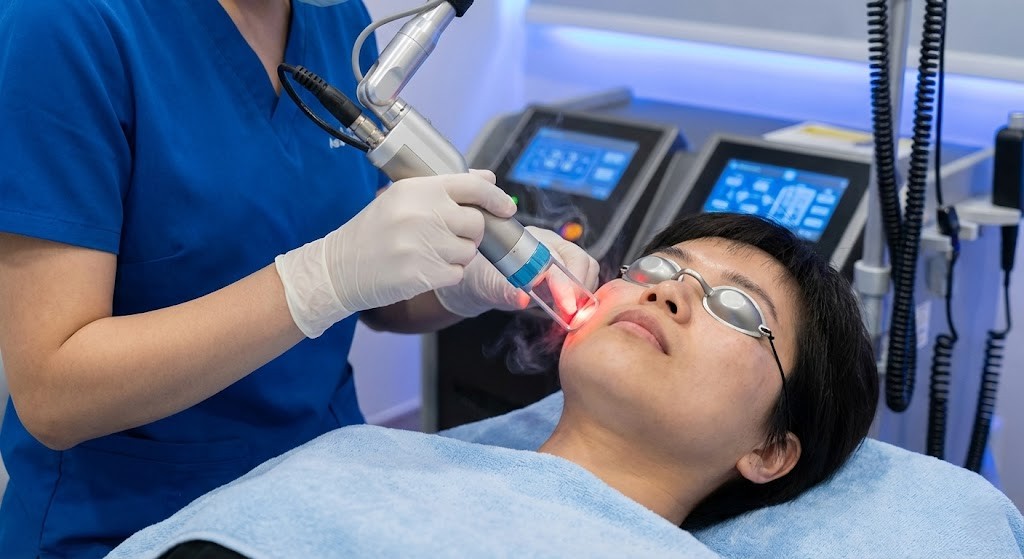
Laser Therapy: Focused laser energy targets melanin deposits, breaking them apart and stimulating skin renewal. Q-Switched Nd:YAG lasers are particularly effective for isolated dark spots, while IPL (Intense Pulsed Light) treats broader areas of uneven pigmentation. Most people see 70-90% improvement over 2-4 sessions. Cost ranges from $300-800 per session. Special expertise is required when treating darker skin tones to avoid potential worsening.
Chemical Peels: Professional-strength chemical solutions remove the outer skin layers containing excess pigment. Glycolic acid peels (20-70%) provide effective treatment with minimal downtime, while TCA (trichloroacetic acid) peels offer deeper penetration for stubborn spots. A series of 4-6 superficial peels spaced 2-4 weeks apart typically produces 50-70% improvement. Cost ranges from $100-400 per session.
Cryotherapy: Liquid nitrogen is applied to dark spots to damage the overactive melanocytes causing excess pigmentation. As the treated skin heals, it regenerates with more even pigmentation. Best suited for isolated, well-defined spots rather than diffuse hyperpigmentation. Requires 1-2 sessions and costs $100-400. Carries a risk of hypopigmentation (lightening beyond the spot) in darker skin tones.
Microdermabrasion: Physical exfoliation removes the outermost skin layer, stimulating cellular renewal and gradually fading surface pigmentation. A gentle procedure with no downtime, though less effective for deep or stubborn dark spots. Works best as a maintenance treatment combined with topical brightening products. Series of 6-8 sessions recommended, costing $75-200 each.
Building an Effective Dark Spot Treatment Routine
Combining multiple approaches produces better results than relying on any single treatment. Here’s how to structure an effective daily routine.
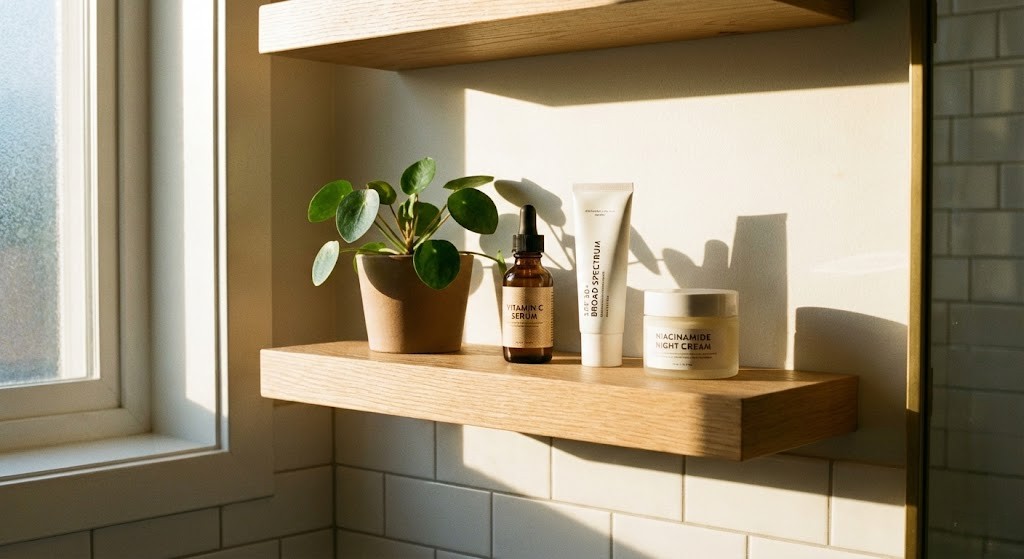
Morning routine: Begin with a gentle, non-stripping cleanser to remove overnight products and prepare skin for treatment. Apply a vitamin C serum (10-20% L-ascorbic acid or a stable derivative) as vitamin C is one of the most evidence-backed brightening ingredients available. Follow with a moisturizer containing niacinamide (5-10%), which reduces melanin transfer and has anti-inflammatory properties. Finish with broad-spectrum SPF 50+ sunscreen—this is the most critical step in your entire routine. Without consistent sun protection, dark spots will continue forming and existing spots will resist fading.
Evening routine: Cleanse to remove sunscreen and daily impurities. Apply one of the natural remedies covered above to dark spots—rotate between apple cider vinegar, aloe vera, buttermilk, and green tea to prevent skin adaptation. Follow with a niacinamide serum or retinol (start with 0.25-0.5% retinol 2-3 times weekly, gradually increasing frequency as tolerated). Apply moisturizer to seal in treatments and prevent moisture loss overnight.
Weekly additions: Use a brightening mask (yogurt and oatmeal or turmeric and honey) 1-2 times weekly for enhanced exfoliation and brightening benefits. A gentle chemical exfoliant (glycolic acid or lactic acid product) used 2-3 times weekly accelerates cellular turnover and enhances the effectiveness of your other brightening treatments.
Preventing Dark Spots: Stop New Ones Before They Form
Prevention is significantly more effective than treatment. These strategies minimize your risk of developing new dark spots while protecting your investment in treating existing ones.

Daily sunscreen application of SPF 50+ broad-spectrum formula is the single most impactful preventive measure. UV exposure is the primary driver of all types of dark spots—even melasma worsens with sun exposure. Apply every morning without exception, including cloudy days and time spent near windows. Reapply every 2 hours when outdoors.
Treat active skin conditions promptly. Acne, eczema, and other inflammatory conditions cause PIH when left untreated. The faster you resolve inflammation, the less post-inflammatory pigmentation develops. See a dermatologist for persistent acne or skin conditions rather than waiting for them to resolve on their own.
Wear protective clothing including wide-brimmed hats and UV-protective clothing when spending extended time outdoors. Avoid peak sun hours between 10 AM and 4 PM when UV intensity is highest. Seek shade whenever possible.
Never pick, squeeze, or scratch pimples or skin lesions. Physical trauma dramatically increases PIH risk and can turn a minor blemish into a persistent dark spot lasting months. Use hydrocolloid pimple patches instead of picking.
Maintain a skincare routine with gentle, non-irritating products. Skin inflammation from harsh products, over-exfoliation, or allergic reactions can trigger PIH just like acne can. Choose products appropriate for your skin type and introduce new actives gradually.
Real Success Stories
Maria, 42, struggled with sunspots and melasma: “I had been dealing with dark spots from sun exposure for years, plus melasma from pregnancy that never fully resolved. My dermatologist prescribed tretinoin and hydroquinone for the melasma, while I used a vitamin C serum and aloe vera daily for the sunspots. I was religious about SPF 50+ every morning. After 4 months, the sunspots had faded about 70%, and the melasma improved significantly—not completely gone, but dramatically better. The key was combining professional guidance with consistent home care.”
David, 35, dealt with dark spots from years of acne: “After finally getting my acne under control, I was left with dark marks all over my cheeks and chin. I started using niacinamide serum twice daily, aloe vera overnight, and green tea compresses in the morning. I also started using a gentle glycolic acid toner 3 times weekly. Four months later, my skin tone is the most even it’s been since my teens. I wish I’d started this routine sooner.”
The Bottom Line
Dark spots on the face are extremely common and, in the vast majority of cases, completely treatable with consistent effort and the right approach. Understanding what type of hyperpigmentation you have directs you toward the most effective treatment strategy. Natural home remedies including aloe vera, apple cider vinegar, green tea extract, and lactic acid can produce meaningful improvements over 2-4 months of consistent use.
The most effective strategy combines topical brightening treatments targeting melanin production, gentle exfoliation to accelerate removal of pigmented cells, and absolute consistency with SPF 50+ sun protection to prevent new damage. For faster or more dramatic results, professional treatments like laser therapy, chemical peels, and prescription topicals offer significantly accelerated outcomes. Whatever approach you choose, patience and consistency are the most important factors in your success.
Frequently Asked Questions
How long does it take to remove dark spots on the face? With consistent home treatment and daily SPF 50+, initial lightening appears in 4-6 weeks, significant improvement in 2-4 months, and maximum results in 4-6 months. Professional treatments can achieve dramatic results in 4-12 weeks. Results vary based on spot depth, skin tone, and treatment consistency.
What’s the most effective home remedy for dark spots? Vitamin C (used in the morning), combined with niacinamide and aloe vera, offers the most evidence-backed natural brightening approach. Apple cider vinegar and green tea are also effective for mild spots. All natural remedies require 2-4 months of consistent use and daily sun protection to show results.
Can dark spots come back after treatment? Yes, especially with continued sun exposure. Daily SPF 50+ sunscreen prevents new spots from forming and prevents treated spots from re-darkening. Even after successful treatment, maintaining sun protection is essential for preventing recurrence.
Are dark spots on the face dangerous? Most dark spots (hyperpigmentation) are completely harmless and are purely cosmetic concerns. However, any spot that changes in size, shape, or color, has irregular borders, contains multiple colors, bleeds, or doesn’t heal should be evaluated by a dermatologist to rule out skin cancer.
What’s the best treatment for dark spots on darker skin tones? Darker skin tones require gentler treatments to avoid worsening pigmentation. Best options include niacinamide (5-10%), azelaic acid (10-20%), aloe vera, vitamin C (stable forms), kojic acid, and tranexamic acid. Aggressive chemical peels and certain lasers carry higher risks for darker skin tones. Always consult a dermatologist with expertise in skin of color.
Does sunscreen really prevent dark spots? Absolutely. UV exposure is the primary cause of most dark spots and worsens all types of hyperpigmentation. Consistent SPF 50+ use is the single most effective preventive measure for dark spots and significantly accelerates the fading of existing spots when combined with brightening treatments.
Medical Disclaimer: This article provides educational information only and does not constitute medical advice. Any changing or suspicious spots should be evaluated by a dermatologist to rule out skin cancer. Consult a qualified healthcare provider before starting new treatments, especially if you have sensitive skin, darker skin tones, or underlying skin conditions.