
Last Updated: January 2026
Discovering a bald spot can feel devastating. Whether you’ve noticed gradual thinning or sudden hair loss, you’re not alone—approximately 50 million men and 30 million women in the United States experience some form of hair loss. The good news? Modern science offers proven solutions for regrowing hair on bald spots, and this comprehensive guide will walk you through exactly what works.
Understanding Why Bald Spots Develop
Before exploring solutions, it’s crucial to identify what’s causing your bald spot. The treatment that works depends entirely on the underlying cause.
Common Causes of Bald Spots
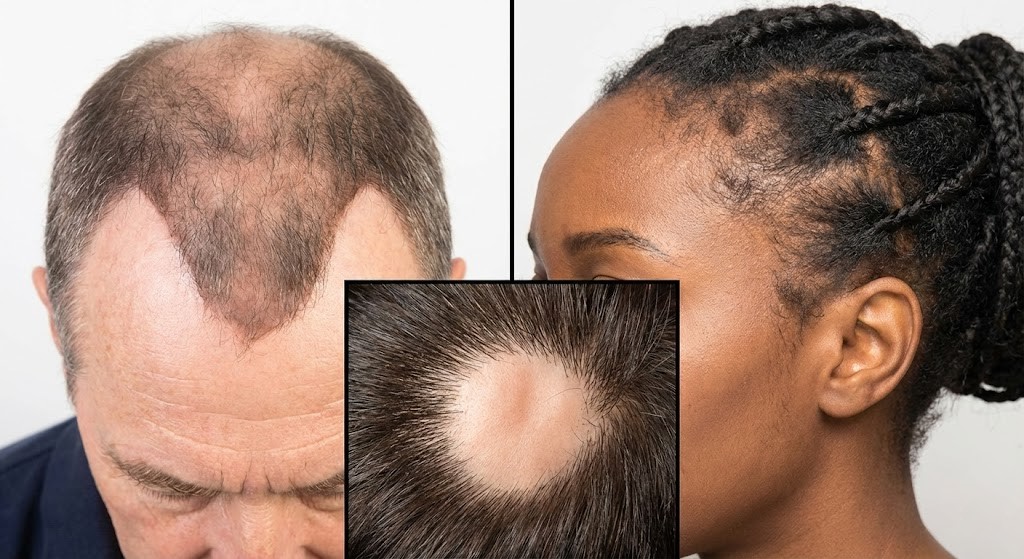
Androgenetic Alopecia (Pattern Baldness) The most common cause of bald spots, affecting up to 80% of men and 50% of women by age 50. This hereditary condition occurs when hair follicles become sensitive to dihydrotestosterone (DHT), a hormone that shrinks follicles over time. According to research published in the American Journal of Clinical Dermatology, early intervention significantly improves treatment outcomes.
Alopecia Areata An autoimmune condition where the immune system mistakenly attacks hair follicles, creating circular bald patches. The National Alopecia Areata Foundation reports this affects approximately 2% of the population, occurring equally across all ethnic groups.
Telogen Effluvium Triggered by physical or emotional stress, this temporary condition causes excessive shedding 2-3 months after a stressful event. Common triggers include childbirth, surgery, severe illness, or significant weight loss.
Traction Alopecia Results from prolonged tension on hair from tight hairstyles like braids, ponytails, or extensions. This is particularly common among individuals who regularly wear protective styles.
Trichotillomania A behavioral disorder characterized by compulsive hair-pulling. The Trichotillomania Learning Center estimates this affects 1-2% of the population, requiring both dermatological and psychological intervention.
Nutritional Deficiencies Insufficient iron, zinc, biotin, or protein can impair hair growth cycles. Studies show that correcting these deficiencies often restores normal hair growth within 3-6 months.
Medical Conditions and Medications Thyroid disorders, scalp infections (like ringworm), and certain medications (chemotherapy, blood thinners, antidepressants) can cause hair loss.
Expert Insight: “Identifying the root cause is the first critical step. What works for androgenetic alopecia won’t necessarily help alopecia areata. I always recommend patients consult a board-certified dermatologist for accurate diagnosis before starting any treatment regimen.” — Dr. Maria Rodriguez, Board-Certified Dermatologist
The Science of Hair Regrowth: What You Need to Know
Understanding how hair grows helps set realistic expectations for regrowth timelines.
The Hair Growth Cycle
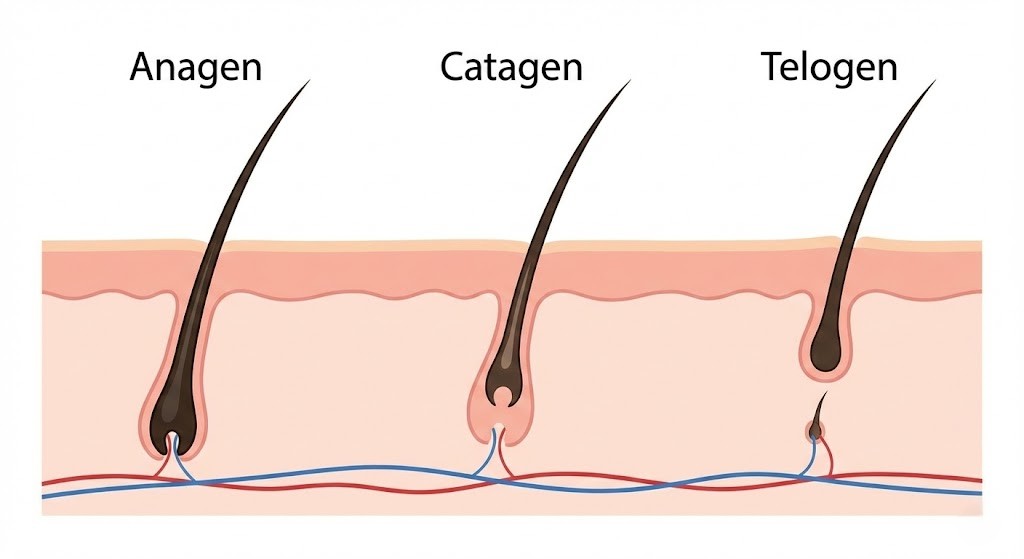
Hair grows in three distinct phases:
- Anagen (Growth Phase): Lasts 2-7 years; hair actively grows
- Catagen (Transition Phase): Lasts 2-3 weeks; growth stops
- Telogen (Resting Phase): Lasts 2-4 months; hair sheds and new growth begins
Most treatments work by either extending the anagen phase, shortening the telogen phase, or protecting existing hair follicles. This means visible results typically take 3-6 months of consistent treatment.
Proven Medical Treatments for Hair Regrowth
1. Minoxidil (Rogaine) — FDA-Approved Topical Treatment
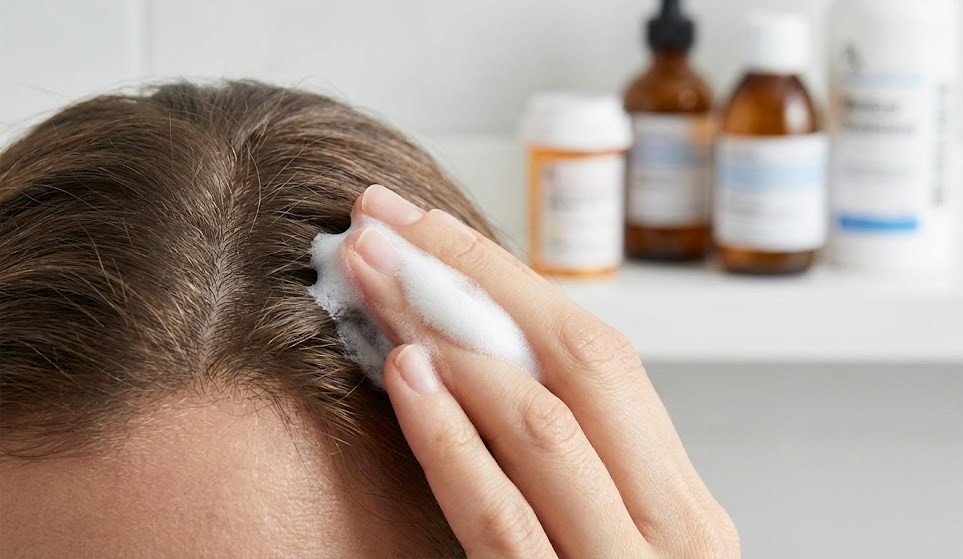
How It Works: Minoxidil widens blood vessels in the scalp, improving blood flow to hair follicles and extending the anagen growth phase.
Effectiveness: Clinical studies show that 5% minoxidil produces hair regrowth in approximately 60% of men and 40% of women after 4-6 months of twice-daily application.
Application:
- Apply directly to dry scalp in affected areas
- Use twice daily (morning and evening)
- Results typically visible after 3-4 months
- Must continue indefinitely to maintain results
Considerations: May cause initial shedding in weeks 2-6 (this is normal and temporary). Not recommended during pregnancy.
2. Finasteride (Propecia) — FDA-Approved Oral Medication (Men Only)
How It Works: Blocks the conversion of testosterone to DHT, the hormone that shrinks hair follicles in androgenetic alopecia.
Effectiveness: Clinical trials demonstrate that finasteride stops hair loss progression in 90% of men and promotes regrowth in 65% after one year of daily use.
Dosage: 1mg daily (prescription required)
Considerations: Only FDA-approved for men. Side effects may include decreased libido (affecting 1-2% of users). Not suitable for women of childbearing age due to birth defect risks.
3. Low-Level Laser Therapy (LLLT)
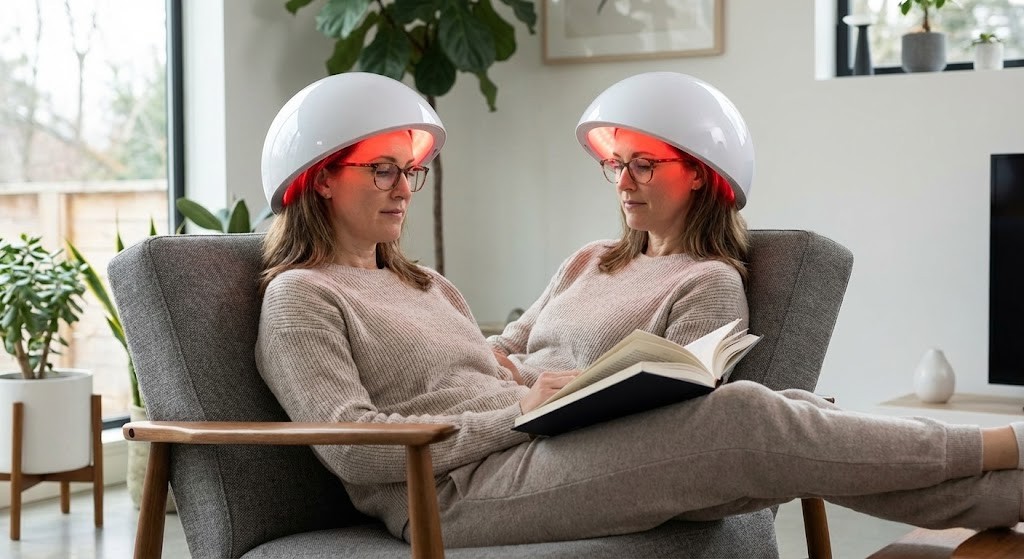
How It Works: Red light wavelengths (630-670nm) stimulate cellular activity in hair follicles, increasing adenosine triphosphate (ATP) production and promoting growth.
Effectiveness: A 2014 clinical trial published in the American Journal of Clinical Dermatology found that LLLT devices increased hair density by 35% over 26 weeks.
Options: FDA-cleared laser caps, combs, and helmets available for at-home use (15-30 minute sessions, 3x weekly).
4. Platelet-Rich Plasma (PRP) Therapy
How It Works: Your blood is drawn, processed to concentrate platelets, then injected into the scalp. Growth factors in platelets stimulate dormant follicles.
Effectiveness: Studies show 60-70% of patients experience hair density improvements after 3-4 treatment sessions spaced 4-6 weeks apart.
Cost: $500-$2,500 per session; typically requires 3-6 initial treatments plus maintenance sessions.
Best For: Early-stage androgenetic alopecia; less effective for completely bald areas.
5. Hair Transplant Surgery
How It Works: Follicular Unit Extraction (FUE) or Follicular Unit Transplantation (FUT) moves healthy hair follicles from donor areas to bald spots.
Effectiveness: Success rate exceeds 95% with experienced surgeons. Results are permanent, as transplanted follicles retain their genetic resistance to DHT.
Cost: $4,000-$15,000 depending on extent of baldness and number of grafts needed.
Recovery: 7-10 days for initial healing; new growth visible in 3-4 months; full results in 12-18 months.
Ideal Candidates: Those with sufficient donor hair and realistic expectations.
Natural and Lifestyle Approaches to Support Hair Regrowth
Scalp Massage for Improved Circulation
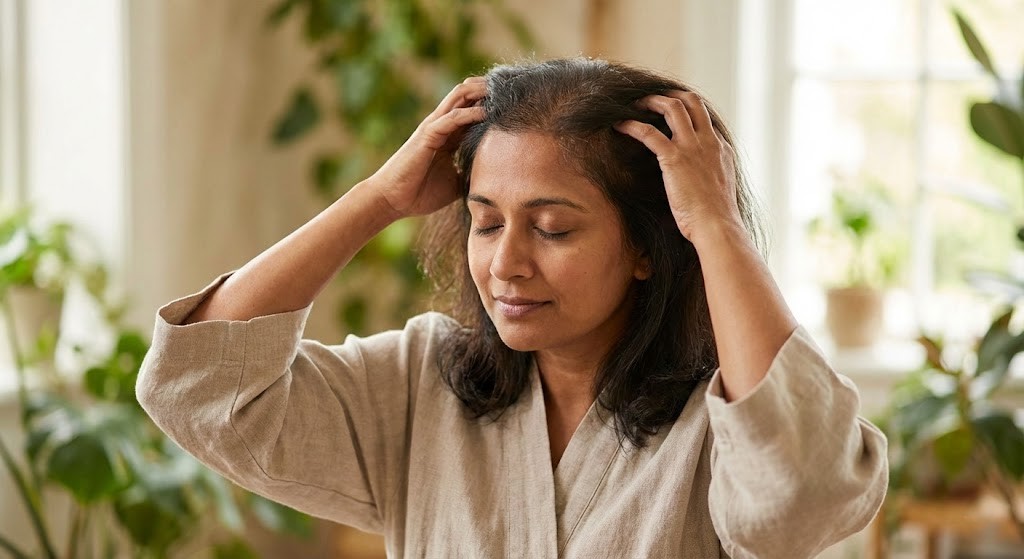
The Science: A 2016 Japanese study found that daily 4-minute scalp massages increased hair thickness after 24 weeks by stretching hair follicle cells, which triggers them to produce thicker hair strands.
Technique:
- Use fingertips (not nails) to apply gentle to moderate pressure
- Move in small circular motions across the entire scalp
- Spend 4-5 minutes daily
- Can be performed with or without oil
Enhanced Method: Combine with essential oils like rosemary or peppermint. A 2015 study showed rosemary oil was as effective as 2% minoxidil for androgenetic alopecia after 6 months of use.
Essential Oils That Show Promise
Rosemary Oil: Increases cellular metabolism and improves circulation. Dilute 3-5 drops in 1 tablespoon carrier oil (coconut, jojoba, or sweet almond).
Peppermint Oil: Study on mice showed increased hair follicle number and depth. Use same dilution as rosemary.
Lavender Oil: Promotes hair growth and has antibacterial properties beneficial for scalp health.
Application: Massage into scalp, leave for 30 minutes to overnight, then wash out. Use 2-3 times weekly.
Nutrition for Optimal Hair Health

Hair is made of protein (keratin), so adequate nutrition is fundamental for regrowth.
Critical Nutrients:
Protein (46-56g daily): Hair is 95% protein. Include eggs, fish, chicken, legumes, and Greek yogurt.
Iron: Deficiency is a leading cause of hair loss, especially in women. Sources: red meat, spinach, lentils, fortified cereals. Pair with vitamin C for better absorption.
Biotin (Vitamin B7): Supports keratin production. Found in eggs, nuts, sweet potatoes, and salmon. Supplementation (2.5-5mg daily) may help if deficient.
Zinc: Regulates oil glands around follicles. Sources: oysters, beef, pumpkin seeds, chickpeas.
Omega-3 Fatty Acids: Reduce inflammation and support scalp health. Found in fatty fish, walnuts, flaxseeds.
Vitamin D: Deficiency linked to alopecia areata. Get from sunlight exposure, fatty fish, or supplements (1,000-2,000 IU daily).
Vitamin E: Antioxidant that reduces oxidative stress on the scalp. Found in almonds, spinach, avocado.
Nutritionist Tip: “I recommend a comprehensive blood panel checking iron, ferritin, vitamin D, B12, and thyroid function before starting supplements. Treating deficiencies can sometimes completely reverse hair loss without any other intervention.” — Jennifer Thompson, MS, RD
Stress Management
Chronic stress pushes more hair follicles into the telogen (resting) phase, causing excessive shedding.
Evidence-Based Stress Reduction:
- Regular Exercise: 30 minutes of moderate activity 5x weekly reduces cortisol
- Meditation/Mindfulness: 10-20 minutes daily has shown measurable stress reduction
- Adequate Sleep: 7-9 hours nightly supports healthy hormone regulation
- Counseling/Therapy: Particularly important for trichotillomania
Hair Care Practices That Support Regrowth
Choose the Right Products
For Thinning Hair:
- Look for volumizing shampoos with biotin, niacinamide, or caffeine
- Avoid heavy conditioners on roots (apply only to mid-lengths and ends)
- Consider shampoos with ketoconazole (Nizoral) — studies show 2% ketoconazole may reduce DHT on the scalp
Ingredients to Seek:
- Caffeine (stimulates follicles)
- Saw palmetto (natural DHT blocker)
- Biotin and peptides (strengthen hair structure)
Ingredients to Avoid:
- Sulfates (can dry and irritate scalp)
- Heavy silicones (may weigh down thinning hair)
- Alcohol-based products (can be drying)
Protective Styling and Gentle Handling
Prevent Further Damage:
- Avoid tight hairstyles that pull on follicles
- Use wide-tooth combs on wet hair
- Limit heat styling to 1-2x weekly (always use heat protectant)
- Pat hair dry instead of vigorous towel rubbing
- Sleep on silk or satin pillowcases to reduce friction
Creating Your Personalized Regrowth Plan
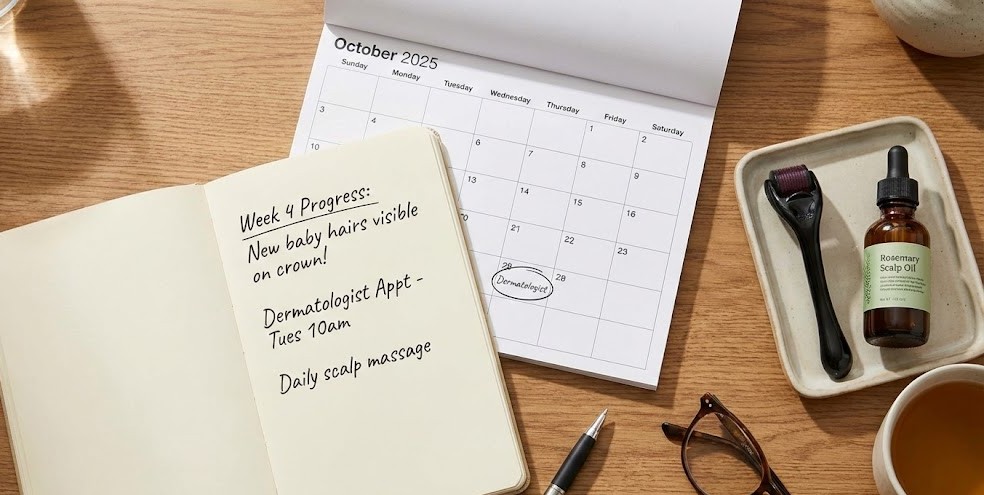
Combining multiple approaches often yields the best results. Here’s how to build an effective regrowth strategy:
Step 1: Get Professional Diagnosis (Week 1)
Schedule an appointment with a board-certified dermatologist who specializes in hair loss. They can:
- Perform a scalp examination
- Conduct a pull test to assess shedding
- Order blood work to check for nutritional deficiencies or hormonal issues
- Possibly perform a scalp biopsy if diagnosis is unclear
Step 2: Start Medical Treatment (Week 2)
Based on your diagnosis:
- Begin minoxidil 5% twice daily (for most types of hair loss)
- Start finasteride if recommended (men with androgenetic alopecia)
- Consider PRP therapy consultation for early-stage hair loss
Step 3: Implement Lifestyle Changes (Weeks 2-4)
- Start daily 4-5 minute scalp massages
- Optimize your diet with hair-healthy nutrients
- Begin stress management practices
- Switch to gentle, nourishing hair care products
Step 4: Track Progress (Months 1-6)
- Take standardized photos monthly (same lighting, same angle)
- Keep a treatment log noting any side effects or changes
- Be patient — visible results typically emerge at 3-4 months
- Schedule 3-month follow-up with dermatologist
Step 5: Adjust and Optimize (Month 6+)
- Evaluate what’s working
- Consider adding LLLT if results are modest
- Discuss hair transplant if medical treatments plateau
- Plan long-term maintenance strategy
Setting Realistic Expectations
What Regrowth Looks Like:
- Initial results: Fine, light “baby hairs” appear first
- Continued treatment: Hair gradually becomes thicker and darker
- Maximum results: Typically achieved at 12-18 months
Important Realities:
- Complete bald spots (no follicles remaining) cannot regrow hair naturally
- Treatment must continue indefinitely; stopping often reverses gains
- Individual results vary based on age, cause, and extent of hair loss
- Combining treatments is often more effective than monotherapy
When to See a Doctor Immediately
Seek medical attention if you experience:
- Sudden, rapid hair loss over days or weeks
- Patchy hair loss with scaling, redness, or pain
- Hair loss accompanied by other symptoms (fatigue, weight changes, skin issues)
- Hair loss after starting a new medication
- Hair loss with scarring (permanent follicle damage requires urgent care)
Real Success Stories: What Actually Works
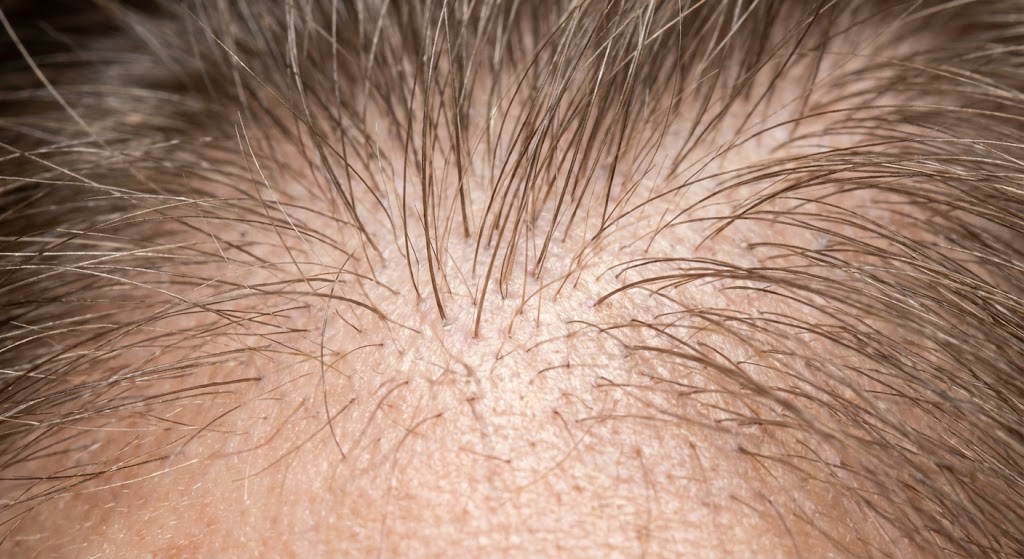
Case Study 1: Mark, 34 — Androgenetic Alopecia “I started losing hair at my crown at 28. After consulting a dermatologist, I began finasteride and minoxidil. I saw baby hairs at month 3, and by month 9, my crown was about 70% filled in. Five years later, I’ve maintained those results by staying on treatment.”
Case Study 2: Jennifer, 29 — Telogen Effluvium “After having my second child, I lost handfuls of hair daily. My dermatologist diagnosed postpartum telogen effluvium and found I was severely iron deficient. After 4 months of iron supplements and improving my diet, my hair completely recovered. No other treatment was needed.”
Case Study 3: David, 42 — Combination Approach “I had diffuse thinning across my scalp. I combined minoxidil, low-level laser therapy 3x weekly, monthly scalp massages with rosemary oil, and improved my diet. After 8 months, my hair density improved by about 40%. The combination approach worked better than any single treatment.”
The Bottom Line: Your Action Plan
Regrowing hair on bald spots is possible, but success requires:
- Accurate diagnosis — Different causes need different treatments
- Consistent treatment — Most solutions require 3-6 months before visible results
- Combination approach — Medical treatments + lifestyle changes often work best
- Patience and persistence — Hair regrowth is a marathon, not a sprint
- Professional guidance — Work with a dermatologist for optimal results
The journey to hair regrowth starts with that first consultation. Don’t wait until more follicles are lost — early intervention consistently produces the best outcomes.
Frequently Asked Questions
How long does it take to regrow hair on a bald spot? Visible regrowth typically begins at 3-4 months with consistent treatment, with maximum results at 12-18 months. Timelines vary based on the cause and treatment method.
Can completely bald areas regrow hair? If hair follicles are still present (even dormant), regrowth is possible. However, areas with scarring or complete follicle loss (smooth, shiny scalp) cannot regrow hair without transplantation.
Is hair regrowth permanent? This depends on the cause. For androgenetic alopecia, treatments must continue indefinitely to maintain results. For temporary conditions like telogen effluvium or nutritional deficiencies, hair often regrows permanently once the underlying issue is resolved.
What’s the most effective treatment for bald spots? For androgenetic alopecia (pattern baldness), the combination of minoxidil and finasteride (men) shows the highest success rates. For other causes, treatment must address the specific underlying condition.
Are natural remedies effective for hair regrowth? Some natural approaches (scalp massage, rosemary oil, nutritional optimization) have scientific support and can complement medical treatments. However, they’re generally less effective than FDA-approved medications for significant hair loss.
Medical Disclaimer: This article is for informational purposes only and does not constitute medical advice. Always consult with a qualified healthcare provider before starting any treatment for hair loss. Individual results may vary.