
Last Updated: January 2026

If you’re frustrated with slow hair growth or struggling with thinning hair, you’re not alone. Research shows that 50% of men experience noticeable hair loss by age 50, and many more deal with slower-than-desired growth rates. While genetics largely determine your maximum hair growth potential, the good news is that optimizing your hair care routine, nutrition, and lifestyle can help you achieve your fastest possible growth rate—typically around 6 inches per year for healthy hair.
This comprehensive guide combines dermatological science, nutritional research, and proven strategies to help you maximize your hair growth potential. Whether you’re trying to grow out your hair, recover from a bad haircut, or combat thinning, these evidence-based methods will help you achieve stronger, healthier, faster-growing hair.
Understanding Male Hair Growth: The Science Behind It
Before diving into solutions, understanding how hair grows helps set realistic expectations and informs effective strategies.
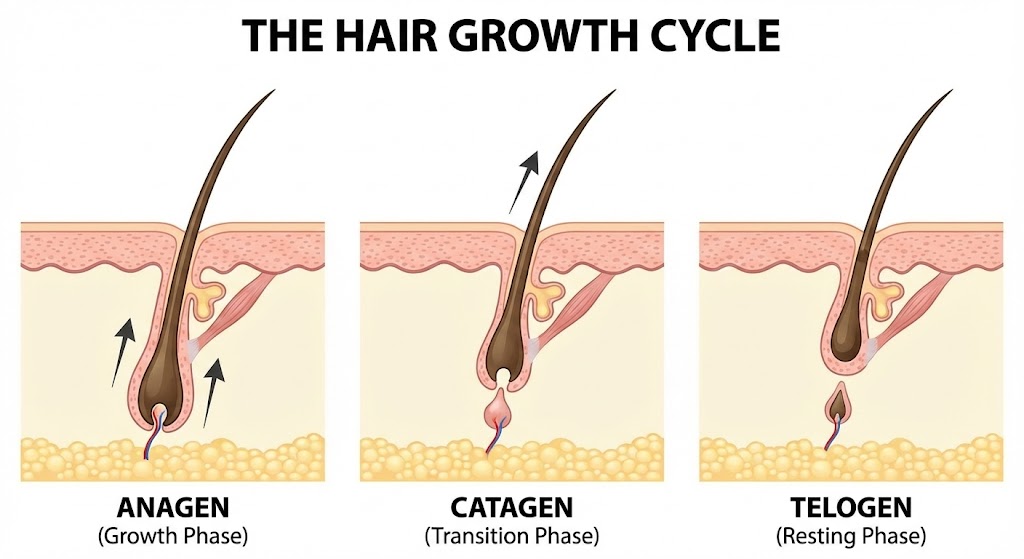
The Male Hair Growth Cycle
Hair grows in three distinct phases:
Anagen Phase (Active Growth) — 2-7 years
- This is the active growth period where hair lengthens
- 85-90% of your scalp hair is in this phase at any time
- Hair grows approximately 0.5 inches (1.25 cm) per month
- Genetics determine your maximum anagen length
- Longer anagen = longer potential hair length
Catagen Phase (Transition) — 2-3 weeks
- Hair stops growing as the follicle shrinks
- Only 1-2% of hair is in this brief transitional stage
- Hair detaches from blood supply
Telogen Phase (Rest and Shedding) — 2-4 months
- Hair rests in the follicle
- Approximately 8-10% of hair is in telogen
- Old hair eventually sheds to make room for new growth
- Losing 50-100 hairs daily is completely normal
Factors That Affect Hair Growth Speed in Men
Genetics (50-80% of the equation):
- Determines your maximum growth rate and hair density
- Controls sensitivity to DHT (dihydrotestosterone), the hormone that causes male pattern baldness
- Influences anagen phase duration
Age:
- Hair growth peaks in your 20s
- Gradual slowdown begins around age 30
- Growth rate can decrease by 15-20% by age 50
Hormones:
- Testosterone converts to DHT via 5-alpha reductase enzyme
- DHT miniaturizes hair follicles in genetically susceptible men
- Thyroid hormones regulate metabolic rate, affecting hair growth speed
Nutrition:
- Deficiencies in key nutrients directly slow hair growth
- Protein deficiency particularly impacts growth since hair is 95% keratin (a protein)
Health Status:
- Chronic illness, autoimmune conditions, and medications can slow growth
- Scalp health directly affects follicle function
Lifestyle Factors:
- Stress, poor sleep, smoking, and excessive alcohol slow hair growth
- These factors reduce blood flow and nutrient delivery to follicles
Expert Insight: “While you can’t change your genetic maximum hair growth rate, most men aren’t achieving their potential due to nutritional gaps, poor scalp health, or damaging hair practices. Optimizing these factors can increase growth rate by 15-30% and significantly improve hair quality and thickness.” — Dr. James Martinez, Board-Certified Dermatologist
Strategy 1: Optimize Your Hair Washing and Conditioning Routine
Proper cleansing and conditioning create the foundation for healthy hair growth by maintaining optimal scalp health.
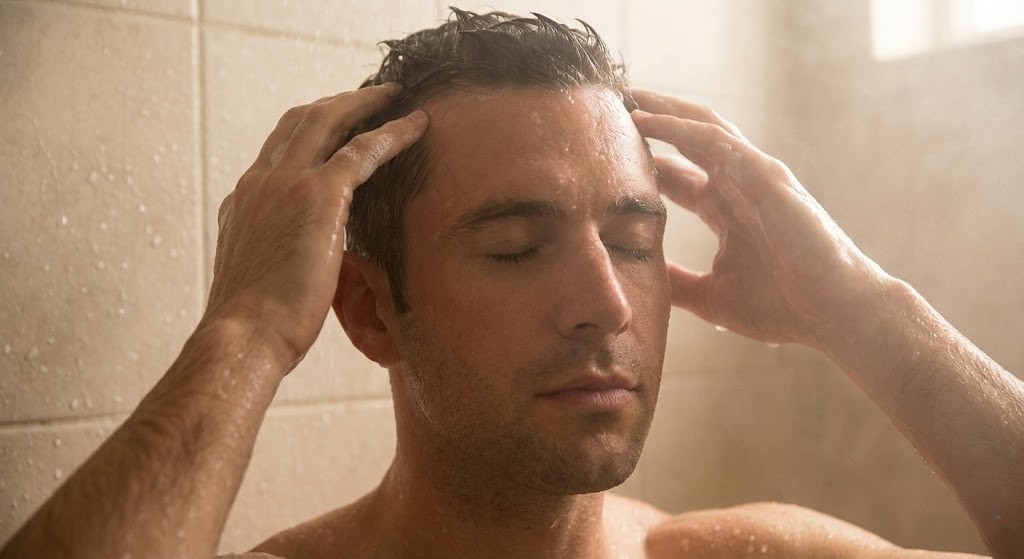
The Right Shampooing Frequency for Men
The Science: Your scalp produces sebum (natural oil) to protect hair and skin. Washing too frequently strips these protective oils, causing dryness and potential scalp inflammation. Washing too infrequently allows buildup that can clog follicles and slow growth.
Optimal Frequency Based on Hair Type:
Oily Scalp:
- Wash 4-5 times weekly
- Use clarifying shampoo once weekly to remove buildup
- Look for oil-controlling ingredients (tea tree oil, salicylic acid)
Normal Scalp:
- Wash 2-3 times weekly
- This balances cleanliness with preserving natural oils
- Most men fall into this category
Dry or Curly Hair:
- Wash 1-2 times weekly
- Curly hair is naturally drier (oils don’t travel down the shaft easily)
- Consider co-washing (conditioner only) between shampoos
Active Lifestyle (Heavy Sweating):
- Rinse with water after workouts
- Use shampoo only 2-3 times weekly
- Sweat doesn’t require immediate shampooing
Choosing the Right Shampoo
Ingredients to Seek:
For Faster Growth:
- Caffeine: Stimulates follicles and counteracts DHT effects (proven in studies)
- Biotin and B-vitamins: Support keratin production
- Saw Palmetto: Natural DHT blocker
- Niacinamide (Vitamin B3): Improves scalp circulation
- Ketoconazole (1-2%): Anti-inflammatory, reduces DHT on scalp (available OTC in Nizoral)
For Scalp Health:
- Tea Tree Oil: Antimicrobial, reduces buildup and inflammation
- Salicylic Acid: Exfoliates scalp, unclogs follicles
- Zinc Pyrithione: Treats dandruff, reduces inflammation
Ingredients to Avoid:
- Sulfates (SLS/SLES): Harsh detergents that strip natural oils excessively
- Parabens: Potential hormone disruptors
- Heavy Silicones: Can build up and suffocate follicles
- Alcohol (as primary ingredient): Extremely drying
Shampoo Application Technique:
- Wet hair thoroughly with lukewarm water (hot water damages hair and scalp)
- Use a quarter-sized amount (more isn’t better)
- Apply to scalp, not hair length — scalp is what needs cleansing
- Massage with fingertips for 1-2 minutes (not nails, which can scratch scalp)
- Rinse completely — leftover shampoo causes buildup
- Repeat only if hair was very dirty (second lather usually unnecessary)
Proper Conditioning
Why It Matters: Conditioner doesn’t make hair grow faster, but it prevents breakage that makes hair appear to grow slower. Healthy hair retains length better.
Conditioning Technique:
- Apply to mid-lengths and ends only (not scalp — causes greasiness)
- Use generous amount for medium-to-long hair
- Leave in 2-3 minutes for absorption
- Rinse with cool water to seal hair cuticles and add shine
- Gently squeeze out excess water (don’t rub vigorously)
Leave-In Conditioner Benefits:
- Provides ongoing moisture and protection
- Reduces breakage from brushing and styling
- Particularly beneficial for men with longer or textured hair
- Apply to damp (not soaking wet) hair after showering
Strategy 2: Fuel Hair Growth from Within with Optimal Nutrition
Hair follicles are among the most metabolically active cells in your body. Inadequate nutrition directly slows growth and weakens hair structure..
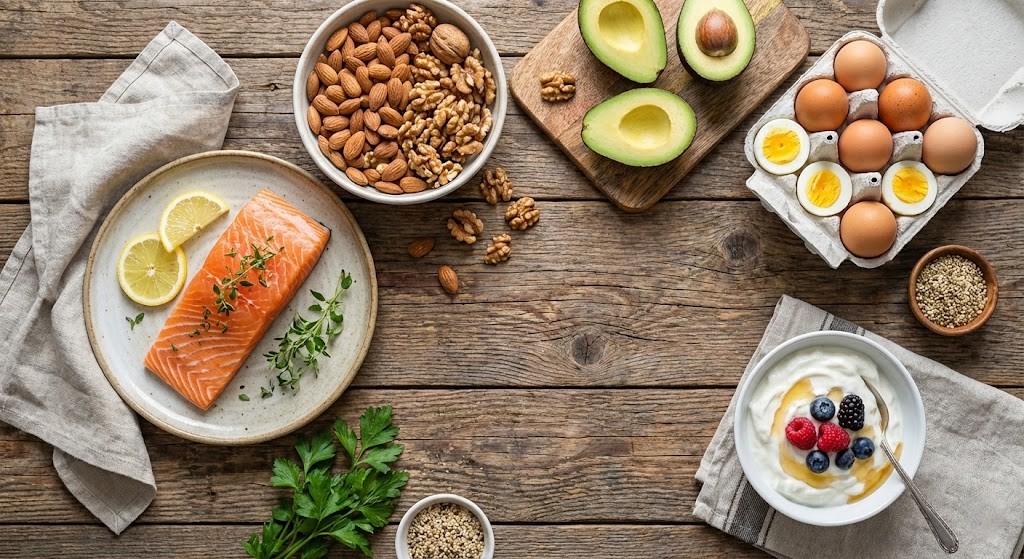
Essential Nutrients for Maximum Hair Growth
Protein — The Building Block (Minimum 50-60g daily)
Why It Matters: Hair is 95% keratin, a structural protein. Insufficient protein forces your body to ration available protein to vital organs, shutting down hair growth.
Best Sources:
- Lean meats: Chicken breast (31g per 100g), turkey, lean beef
- Fish: Salmon (25g per 100g), tuna, cod
- Eggs: 6g protein each, plus biotin and other hair nutrients
- Greek yogurt: 10g per 100g serving
- Plant-based: Lentils, chickpeas, quinoa, tofu, tempeh
Timing: Distribute protein throughout the day (20-30g per meal) for optimal absorption
Iron — Oxygen Delivery to Follicles (8-11mg daily for men)
Why It Matters: Iron deficiency reduces oxygen delivery to hair follicles, slowing the growth phase. While less common in men than women, deficiency can occur with digestive issues, vegetarian diets, or blood loss.
Best Sources:
- Red meat: Beef, lamb (highly bioavailable heme iron)
- Shellfish: Oysters, clams
- Spinach and dark leafy greens (non-heme iron, less bioavailable)
- Fortified cereals
- Beans and lentils
Absorption Tip: Pair iron-rich foods with vitamin C (citrus, tomatoes, bell peppers) for 3-4x better absorption. Avoid tea/coffee with iron-rich meals (tannins block absorption).
Omega-3 Fatty Acids — Scalp and Hair Health (250-500mg EPA+DHA daily)
Why It Matters: Omega-3s reduce scalp inflammation, nourish hair follicles, and improve hair density and diameter.
Best Sources:
- Fatty fish: Salmon, mackerel, sardines, herring (2-3 servings weekly)
- Walnuts (plant-based ALA, less effective than fish)
- Flaxseeds and chia seeds
- Fish oil supplements (if you don’t eat fish regularly)
Study Evidence: A 6-month study found that omega-3 supplementation increased hair density and reduced hair loss in women; similar effects expected in men.
Biotin (Vitamin B7) — Keratin Production (30-100 mcg daily, up to 5,000 mcg for hair support)
Why It Matters: Biotin deficiency causes hair loss and slow growth. While deficiency is rare with normal diet, supplementation may benefit those with suboptimal levels.
Best Sources:
- Egg yolks (10 mcg per egg)
- Almonds and peanuts
- Sweet potatoes
- Salmon
- Avocado
- Organ meats (liver)
Supplementation: 2,500-5,000 mcg daily is common for hair health support. Studies show mixed results, with greatest benefit in those with deficiency.
Zinc — Follicle Function and Repair (11mg daily for men)
Why It Matters: Zinc deficiency is strongly linked to hair loss. Zinc supports hair tissue growth, repair, and proper oil gland function around follicles.
Best Sources:
- Oysters (74mg per 100g — highest source)
- Beef and lamb
- Pumpkin seeds
- Chickpeas and lentils
- Cashews
Caution: Don’t exceed 40mg daily from supplements (can interfere with copper absorption and immune function)
Vitamins A, C, D, and E
Vitamin A (700-900 mcg RAE daily):
- Supports sebum production (natural hair conditioner)
- Sources: Sweet potatoes, carrots, spinach, liver
- Caution: Excess vitamin A can cause hair loss (don’t mega-dose)
Vitamin C (90mg daily, up to 500mg for hair support):
- Antioxidant that protects against oxidative stress
- Critical for collagen production (hair structure)
- Enhances iron absorption
- Sources: Citrus fruits, strawberries, bell peppers, broccoli
Vitamin D (1,000-2,000 IU daily, higher if deficient):
- Vitamin D receptors in hair follicles essential for cycling
- Deficiency linked to alopecia areata and general hair thinning
- Sources: Fatty fish, fortified dairy, sunlight exposure (15-20 min daily)
- Most men need supplementation (40% of Americans deficient)
Vitamin E (15mg daily):
- Powerful antioxidant that reduces oxidative stress on scalp
- Sources: Almonds, sunflower seeds, spinach, avocado
Sample Daily Meal Plan for Optimal Hair Growth
Breakfast:
- 3 scrambled eggs with spinach and tomatoes
- 1 slice whole grain toast with avocado
- Orange juice or orange slices (Vitamin C)
Nutrients: 20g protein, biotin, iron, vitamin C, healthy fats
Mid-Morning Snack:
- Handful of almonds (1 oz)
- Greek yogurt (1 cup)
Nutrients: 15g protein, biotin, zinc, vitamin E
Lunch:
- Grilled salmon (6 oz) with quinoa and roasted vegetables
- Side salad with olive oil dressing
Nutrients: 40g protein, omega-3s, iron, vitamins A/C/E
Afternoon Snack:
- Apple with 2 tablespoons peanut butter
Nutrients: Protein, biotin, healthy fats
Dinner:
- Lean beef or chicken (6 oz) with sweet potato and broccoli
- Mixed green salad
Nutrients: 40g protein, iron, zinc, vitamins A/C
Total Daily Nutrition:
- Protein: 115g (well above minimum)
- All essential hair vitamins and minerals
- Healthy fats for hormone production and nutrient absorption
Strategy 3: Strategic Supplementation for Enhanced Growth
While food-first approach is ideal, targeted supplementation can address gaps and optimize hair growth, especially if you have dietary restrictions or deficiencies.
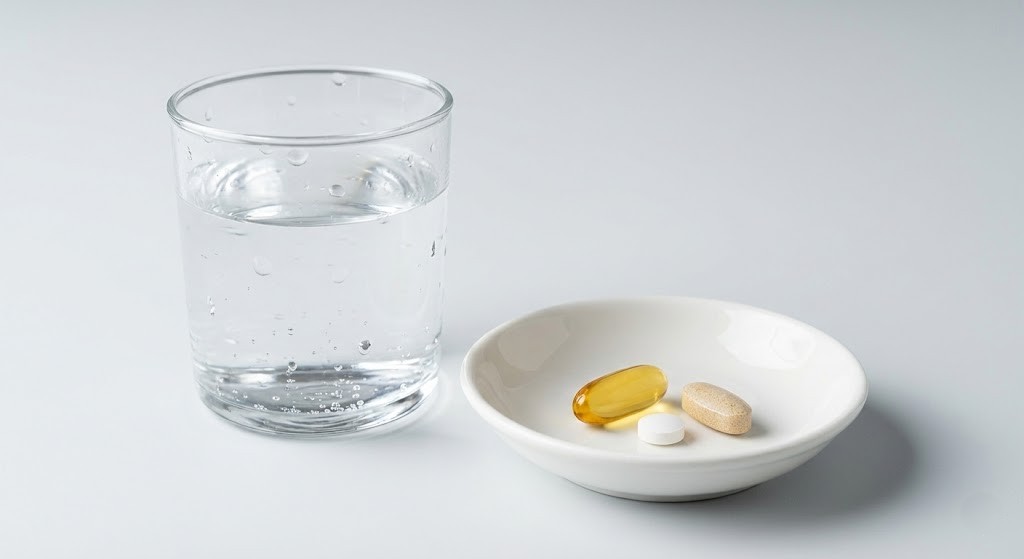
Evidence-Based Hair Growth Supplements
Biotin (2,500-5,000 mcg daily):
- Most popular hair supplement
- Greatest benefit for those with suboptimal intake
- Safe even at high doses
- Results in 3-6 months
Collagen Peptides (10-20g daily):
- Provides amino acids (glycine, proline, hydroxyproline) for hair structure
- May improve hair thickness and reduce breakage
- Studies show improved skin and nail health (hair research limited but promising)
- Mix into coffee, smoothies, or water
Fish Oil/Omega-3 (1,000-2,000mg EPA+DHA daily):
- If you don’t eat fatty fish 2-3x weekly
- Reduces inflammation, supports scalp health
- Choose quality brand with third-party testing (heavy metal contamination concern)
Vitamin D3 (2,000-5,000 IU daily if deficient):
- Get blood levels tested (optimal: 40-60 ng/mL)
- Most men need supplementation
- Take with fatty meal for absorption
Multivitamin for Men:
- Covers baseline nutritional needs
- Look for one with iron if vegetarian/vegan (most men’s multis don’t include iron)
- Ensures adequate B-vitamins, zinc, selenium
Saw Palmetto (320mg daily):
- Natural DHT blocker (similar mechanism to finasteride, but much weaker)
- Limited but positive research for male pattern hair loss
- May slow thinning and support existing hair
Comprehensive Hair Supplement: Consider all-in-one hair growth supplements containing:
- Biotin (5,000 mcg)
- Marine collagen or keratin
- Saw palmetto
- Vitamins A, C, D, E
- Zinc and iron
- Horsetail extract (silica source)
- MSM (methylsulfonylmethane)
When to Consult a Doctor About Supplementation
See a healthcare provider before supplementing if you:
- Take prescription medications (potential interactions)
- Have chronic health conditions
- Experience rapid or severe hair loss
- Want to verify deficiencies through blood testing
Recommended blood tests:
- Complete blood count (CBC) — checks for anemia
- Ferritin (iron stores) — optimal 40-70 ng/mL for hair
- Vitamin D — optimal 40-60 ng/mL
- Thyroid panel (TSH, T3, T4)
- Testosterone and DHT (if pattern thinning present)
Strategy 4: Scalp Massage and Blood Flow Optimization
Improving circulation to hair follicles delivers more nutrients and oxygen, potentially accelerating growth.
The Science of Scalp Massage
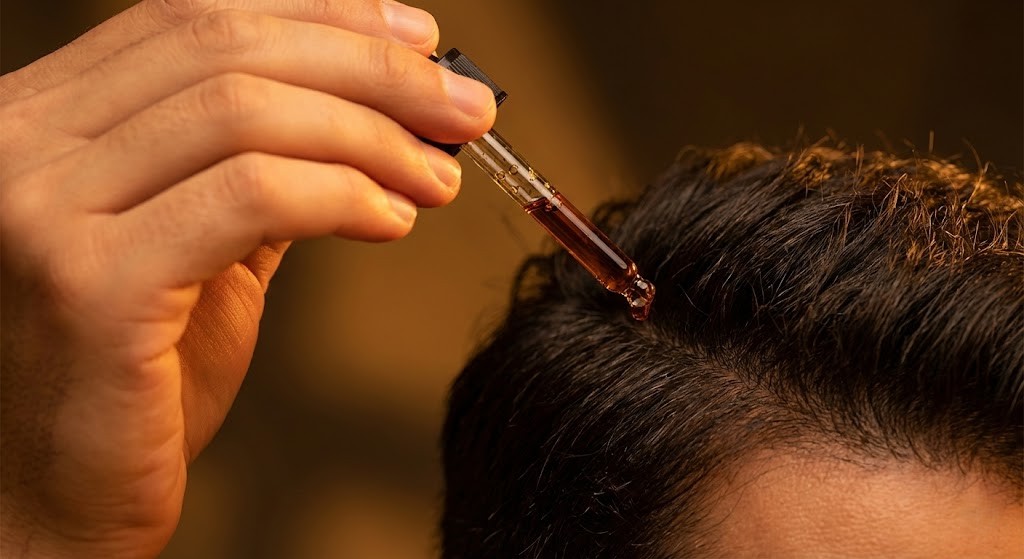
Research Evidence: A 2016 Japanese study found that men who performed daily 4-minute scalp massages experienced increased hair thickness after 24 weeks. The proposed mechanism is mechanical stretching of dermal papilla cells, which stimulates gene expression related to hair growth.
Effective Scalp Massage Technique
Basic Technique (4-5 minutes daily):
- Position: Sit comfortably or perform during shower
- Pressure: Use fingertips (not nails) with moderate pressure
- Motion: Small circular motions, moving slowly across entire scalp
- Coverage: Front hairline → crown → sides → back of head
- Frequency: Daily for best results (can split into morning and night sessions)
Enhanced Technique with Oils:
Combine massage with growth-promoting oils for synergistic effects:
Rosemary Oil:
- 2015 study showed equal effectiveness to 2% minoxidil after 6 months
- Improves circulation, has anti-inflammatory properties
- Dilution: 5-7 drops in 1 tablespoon carrier oil (coconut, jojoba, or sweet almond oil)
Peppermint Oil:
- Increases blood flow significantly
- Animal studies show increased follicle number and depth
- Dilution: 3-5 drops in 1 tablespoon carrier oil (very potent)
Castor Oil:
- Thick, nutrient-rich oil traditionally used for hair growth
- High in ricinoleic acid (anti-inflammatory)
- Can use undiluted or mixed with lighter oil (very thick consistency)
Application Method:
- Mix essential oils with carrier oil
- Apply to scalp (doesn’t need to saturate hair)
- Massage for 4-5 minutes
- Leave in for 30 minutes to overnight
- Shampoo out thoroughly (may need 2 washes)
- Perform 2-3 times weekly
Additional Circulation-Boosting Methods
Scalp Brushing:
- Use soft-bristle brush or specialized scalp brush
- Gentle brushing stimulates blood flow
- Perform on dry hair before showering
- 2-3 minutes, gentle strokes across scalp
Inversion Method (anecdotal, limited scientific evidence):
- Sit and bend forward, hanging head below heart
- Hold for 4 minutes daily for 7 days
- Increases blood flow to scalp via gravity
- Some users report 1-2 inches growth in a week (likely temporary swelling, not true growth)
- Safe to try; worst case, no effect
Regular Exercise:
- Cardiovascular exercise improves overall circulation
- 30 minutes of moderate activity, 5x weekly
- Benefits extend beyond hair to overall health
Strategy 5: Minimize Hair Damage and Breakage
Hair appears to “grow faster” when you retain length by preventing breakage. Damage prevention is as important as growth promotion.
Avoid Excessive Heat Styling
The Damage: Heat above 300°F (150°C) damages the hair cuticle and protein structure, leading to breakage, split ends, and dryness.
Heat Styling Guidelines:
If possible, avoid heat styling:
- Air dry whenever feasible
- Embrace natural texture
- Use styling products (pomade, clay, cream) instead of blow drying
If using heat tools:
- Always use heat protectant spray (creates barrier, reduces damage by 50%)
- Keep temperature below 350°F (175°C) for most hair types
- Limit to 1-2 times weekly maximum
- Never use flat iron or curling iron on wet hair (causes severe damage)
- Blow dry on cool/warm setting, not hot
- Keep dryer moving — don’t focus on one spot
Gentle Drying and Detangling
Post-Shower Drying:
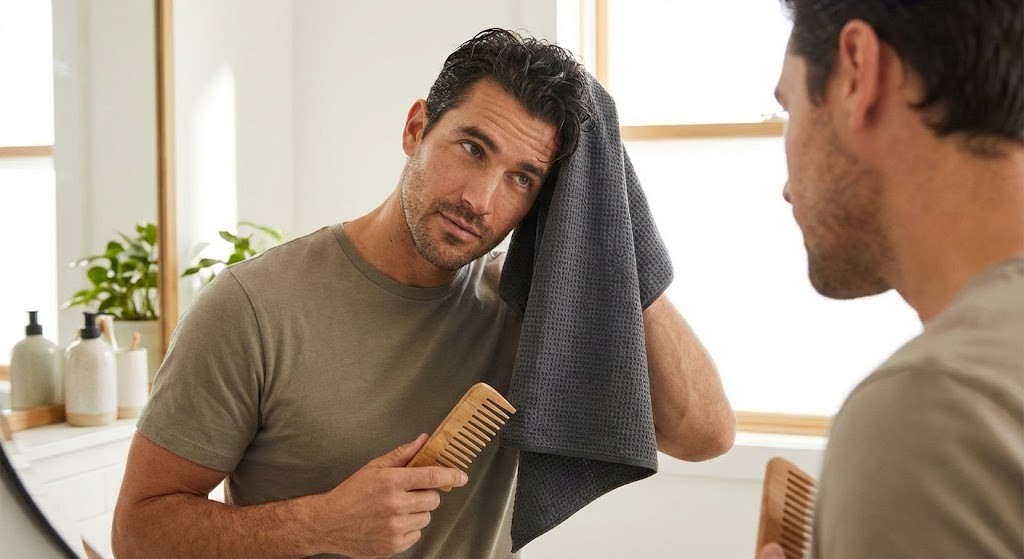
- Pat dry with microfiber towel or old t-shirt (regular towels cause friction and breakage)
- Never rub vigorously — this roughens cuticle and causes breakage
- Squeeze out excess water gently working from roots to ends
Detangling:
- Use wide-tooth comb on damp (not soaking wet) hair
- Start from ends, working up to roots gradually
- Never force through tangles — gently work them apart
- Apply leave-in conditioner or detangling spray if needed
Sleep Protection
Why It Matters: 6-8 hours of friction between hair and cotton pillowcase causes significant damage over time.
Solutions:
- Silk or satin pillowcase — reduces friction by 40%+
- Loose braid or bun for longer hair (not tight)
- Sleep cap if you have textured or very long hair
Limit Chemical Treatments
Damaging treatments:
- Hair dye/bleach — breaks down protein structure, extremely damaging
- Perms or relaxers — alter hair structure chemically
- Keratin treatments — use high heat that can damage hair
If you must color:
- Wait minimum 6-8 weeks between applications
- Use semi-permanent or demi-permanent (less damaging than permanent)
- See professional colorist (less damage than home kits)
- Deep condition regularly to offset damage
Avoid Tight Hairstyles
Traction Alopecia Risk: Tight ponytails, man buns, cornrows, or braids create constant tension on follicles, leading to:
- Breakage at stress points
- Receding hairline
- Permanent follicle damage if prolonged
Safer Styling:
- Loose ponytails or buns (should be comfortable, not tight)
- Vary hairstyle daily (don’t always pull from same spot)
- Use fabric hair ties (no metal or tight elastic)
- Give hair “rest days” with no styling
Strategy 6: Lifestyle Optimizations for Maximum Hair Growth
Your overall health directly impacts hair growth rate and quality. These lifestyle factors are often overlooked but critically important.

Stress Management
The Science: Chronic stress elevates cortisol, which can:
- Push hair follicles prematurely into resting (telogen) phase
- Reduce blood flow to scalp
- Trigger telogen effluvium (excessive shedding)
- Worsen androgenetic alopecia
Stress Reduction Strategies:
Daily Meditation or Mindfulness (10-20 minutes):
- Reduces cortisol by 20-30% with consistent practice
- Apps: Headspace, Calm, Insight Timer
- Even 5 minutes daily provides benefit
Regular Exercise (30+ minutes, 5x weekly):
- Releases endorphins, reduces stress hormones
- Improves sleep quality
- Enhances circulation (including to scalp)
- Choose activities you enjoy for consistency
Adequate Sleep (7-9 hours nightly):
- Sleep deprivation increases cortisol
- Growth hormone (supports hair growth) released during deep sleep
- Aim for consistent sleep schedule
Therapy or Counseling:
- Professional support for chronic stress, anxiety, or depression
- Cognitive behavioral therapy (CBT) particularly effective
Quit Smoking
The Damage: Smoking:
- Constricts blood vessels, reducing nutrient delivery to follicles
- Increases oxidative stress and damages DNA in follicles
- Doubles risk of hair loss
- Prematurely ages hair (graying)
Quitting Benefits: Blood flow improves within weeks; hair health gradually recovers over months.
Limit Alcohol Consumption
How Alcohol Affects Hair:
- Dehydrates body and hair
- Depletes B-vitamins and zinc
- Interferes with nutrient absorption
- Increases estrogen (can worsen hair loss)
Recommendation: Maximum 1-2 drinks per day; less is better for hair health
Stay Hydrated
Why It Matters: Hair shaft is 25% water. Dehydration makes hair brittle and prone to breakage.
Target: Minimum 8 glasses (64 oz) daily; more if exercising or in hot climate
Strategy 7: Medical Treatments for Accelerated Growth (When Lifestyle Isn’t Enough)
If you’re experiencing pattern baldness or want maximum growth acceleration, medical interventions offer proven results.

Minoxidil (Rogaine) — FDA-Approved Topical Treatment
How It Works:
- Widens blood vessels in scalp, improving nutrient delivery
- Extends anagen (growth) phase
- Awakens dormant follicles
Effectiveness:
- Slows/stops hair loss in 85% of men
- Regrows hair in 60% of men after 4-6 months
- Most effective on crown; less effective on frontal hairline
Application:
- 5% foam or liquid formulation
- Apply twice daily to dry scalp
- Results visible in 4-6 months
- Must continue indefinitely to maintain results
Side Effects:
- Scalp irritation (5-10% of users)
- Initial shedding first 2-6 weeks (normal, temporary)
- Unwanted facial hair (if solution drips onto face)
Cost: $15-40/month for generic versions
Finasteride (Propecia) — FDA-Approved Oral Medication
How It Works:
- Blocks 5-alpha reductase enzyme that converts testosterone to DHT
- Reduces DHT by approximately 70%
- Prevents follicle miniaturization
Effectiveness:
- Stops hair loss progression in 90% of men
- Regrows hair in 65% of men after 1 year
- Particularly effective for crown and mid-scalp
Dosage:
- 1mg daily (prescription required)
- Lower doses (0.5mg) may be effective with fewer side effects
Side Effects:
- Sexual side effects in 1-3% (decreased libido, erectile dysfunction)
- Usually resolve when stopping medication
- Post-finasteride syndrome (rare, controversial)
Cost: $15-60/month (generic available)
Important: Consult dermatologist; not suitable for everyone
Low-Level Laser Therapy (LLLT)
How It Works:
- Red light wavelengths (630-670nm) stimulate cellular activity in follicles
- Increases ATP production
- Extends anagen phase
Effectiveness:
- FDA-cleared for hair growth
- Studies show 20-35% increase in hair density over 26 weeks
- Best results when combined with minoxidil or finasteride
Devices:
- Laser caps, helmets, combs
- At-home use: 15-30 minutes, 3x weekly
- Cost: $200-$3,000 depending on device
Platelet-Rich Plasma (PRP) Injections
How It Works:
- Your blood is drawn and processed to concentrate growth factors
- Injected into scalp to stimulate follicle activity
- Awakens dormant follicles
Effectiveness:
- 60-70% of patients see improvement
- Best for early-stage thinning
- Less effective for completely bald areas
Treatment Protocol:
- 3-4 sessions spaced 4-6 weeks apart
- Maintenance sessions every 6-12 months
- Cost: $500-$2,500 per session
Hair Transplant Surgery (FUE or FUT)
When to Consider:
- Pattern baldness not responding to medical treatment
- Desire for permanent solution
- Sufficient donor hair available
Success Rate: 95%+ with experienced surgeon
Cost: $4,000-$15,000 depending on extent
Creating Your Personalized Fast Hair Growth Plan
Combine multiple strategies for synergistic effects. Here’s your action plan:

Month 1: Foundation Building
Week 1:
- Switch to sulfate-free, biotin-enriched shampoo
- Reduce washing to 2-3x weekly (adjust based on hair type)
- Begin daily scalp massage (4-5 minutes)
- Assess current diet; plan improvements
Week 2:
- Start hair-healthy meal plan (increase protein, add key nutrients)
- Begin multivitamin and/or targeted supplements (biotin, omega-3)
- Implement gentle drying practices (microfiber towel, wide-tooth comb)
- Order silk/satin pillowcase
Week 3:
- Add essential oil scalp treatments (2-3x weekly)
- Reduce heat styling frequency
- Begin stress management practice (meditation, exercise)
- Optimize sleep schedule (7-9 hours)
Week 4:
- Take “before” photos (same lighting, angles)
- Measure hair length at multiple points
- Assess progress; adjust routine as needed
- Consider consulting dermatologist if concerned about thinning
Months 2-3: Consistency and Optimization
- Continue all Month 1 practices
- Monitor shedding (should remain 50-100 hairs daily)
- Adjust supplement dosages based on results or blood work
- Consider adding minoxidil if experiencing pattern baldness
Months 4-6: Seeing Results
- Noticeable improvement in hair quality, thickness, and potentially length
- New baby hairs along hairline (if previously thinning)
- Continued growth at optimized rate (approximately 0.5-0.75 inches monthly)
- Take progress photos; compare to baseline
Month 7+: Maintenance
- Sustain effective practices long-term
- Don’t abandon strategies once results achieved
- Annual check-ups with dermatologist if using medical treatments
- Periodic blood work to monitor nutrient levels
Setting Realistic Expectations: What’s Actually Possible
Average Hair Growth Rate:
- Normal: 0.5 inches (1.25 cm) per month
- Optimized: 0.6-0.75 inches (1.5-1.9 cm) per month
- Maximum potential increase: 20-30% above baseline
Timeline for Visible Results:
- 1-2 months: Improved hair texture and strength; reduced shedding
- 3-4 months: Noticeable new growth (especially previously thinning areas)
- 6-12 months: Significant length increase; maximum thickness achieved
Important Realities:
- You cannot grow 6 inches in a month (beware of scams)
- Genetics set your maximum potential
- Consistency is more important than any single strategy
- Hair health improvements often precede visible length increases
The Bottom Line
Remember: While you can’t change your genetic potential, most men aren’t achieving their maximum growth rate due to correctable factors. By implementing these evidence-based strategies, you can realistically increase your hair growth rate by 15-30% while dramatically improving hair health, thickness, and appearance.
The journey starts today. Choose 3-5 strategies from this guide to implement immediately, then gradually add more over the coming weeks. Your future self (with healthier, fuller, faster-growing hair) will thank you.
Frequently Asked Questions
How fast does men’s hair actually grow?
On average, hair grows 0.5 inches (1.25 cm) per month, or about 6 inches per year. With optimal health, nutrition, and care, some men achieve 0.6-0.75 inches monthly. Genetics determine your maximum potential.
Can men grow hair faster than women?
No, there’s no significant gender difference in growth rate. However, men are more prone to DHT-related hair loss, which can make hair appear to grow slower due to miniaturization and breakage.
How long does it take to grow hair from short to shoulder-length?
Shoulder-length is approximately 12-14 inches for most men. At 0.5 inches monthly, this takes about 24-28 months (2-2.5 years) from a short haircut. With optimized growth, you might reduce this to 20-24 months.
Do hair growth shampoos actually work?
Some do, particularly those containing caffeine, ketoconazole, or biotin. They won’t dramatically accelerate growth but can improve scalp health and reduce shedding, helping you retain more length. The biggest factor is still nutrition and overall health.
Should men take biotin supplements? If you’re deficient or have suboptimal intake, yes. If you eat a balanced diet with eggs, nuts, and meat, you may not need supplementation. It’s safe to try 2,500-5,000 mcg daily for 3-6 months to see if it helps. Always consult a doctor first.
Does shaving make hair grow back thicker or faster?
No, this is a myth. Shaving has no effect on hair follicles beneath the skin’s surface. Hair may appear thicker when growing back because you’re seeing the blunt cut edge rather than the naturally tapered tip.
Can stress really slow hair growth?
Absolutely. Chronic stress increases cortisol, which can push hair follicles into resting phase prematurely, causing slower growth and increased shedding. Managing stress is critical for optimal hair health.
Is minoxidil or finasteride necessary for faster growth?
Not for everyone. If you’re experiencing male pattern baldness, these FDA-approved medications are the most effective treatments. For men with healthy hair just wanting faster growth, lifestyle and nutrition optimizations are usually sufficient.
Medical Disclaimer: This article is for informational purposes only and does not constitute medical advice. Hair growth concerns can indicate underlying health conditions. Always consult with a qualified healthcare provider or dermatologist before starting new supplements or treatments, especially prescription medications like finasteride.