
Last Updated: January 2026
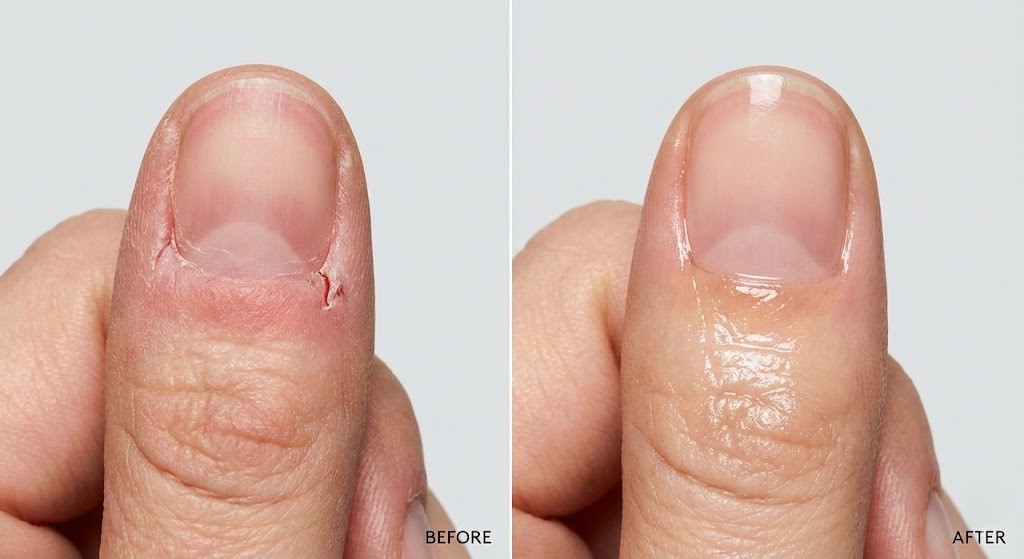
Waking up with painful, cracked, or bleeding cuticles can be more than just a cosmetic concern—it’s uncomfortable, increases your infection risk, and can signal underlying health issues. While the term “overnight healing” might sound too good to be true, implementing the right intensive treatments before bed can produce dramatic improvements by morning, with continued progress over the following days.
This comprehensive guide combines dermatological expertise with proven at-home remedies to help you understand what causes severe cuticle damage, how to treat it effectively using overnight intensive care methods, and most importantly, how to prevent future damage. Whether you’re dealing with the aftermath of a gel manicure gone wrong, chronic dryness, or compulsive cuticle picking, these expert-backed solutions will help restore your cuticles to healthy condition.
Understanding Cuticles: Your Nail’s First Line of Defense
Your cuticles serve a critical protective function that goes far beyond aesthetics. The cuticle is the thin layer of dead skin that grows over the nail plate at the base of your nail, creating a seal that prevents bacteria, fungi, and other pathogens from entering the nail matrix (the living tissue beneath). This seal is essential for preventing painful infections like paronychia, which affects up to 2.5% of the population annually.
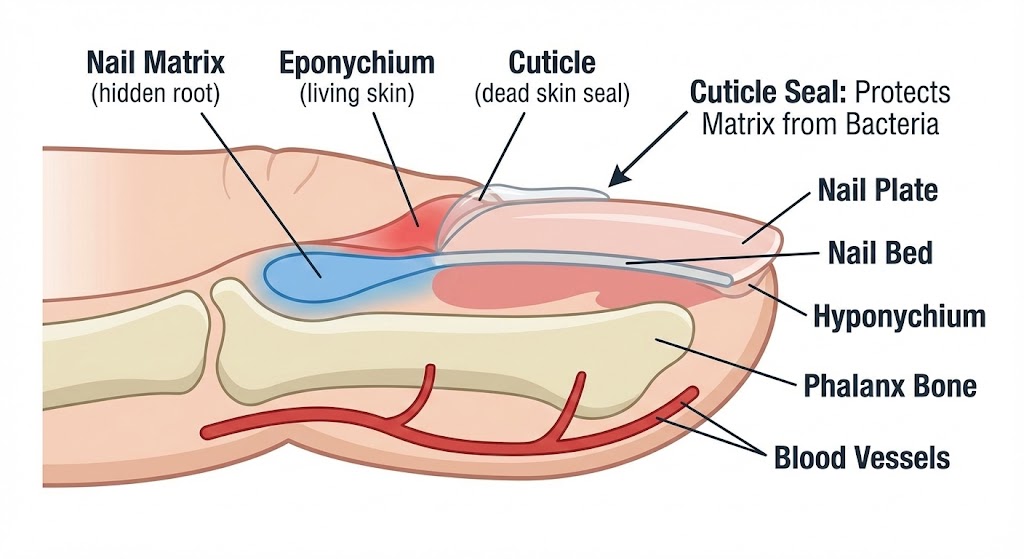
When cuticles become severely damaged—cracked, torn, bleeding, or inflamed—this protective barrier is compromised. The nail matrix becomes vulnerable to infection, and the nail growth process can be disrupted, potentially leading to ridged, discolored, or deformed nails. Healthy cuticles are smooth, intact, and flexible, lying flat against the nail plate without gaps or breaks.
What Qualifies as “Severe” Cuticle Damage?
Minor cuticle issues include slight dryness, minor peeling, or small hangnails. Severe cuticle damage involves more significant problems that require immediate attention:
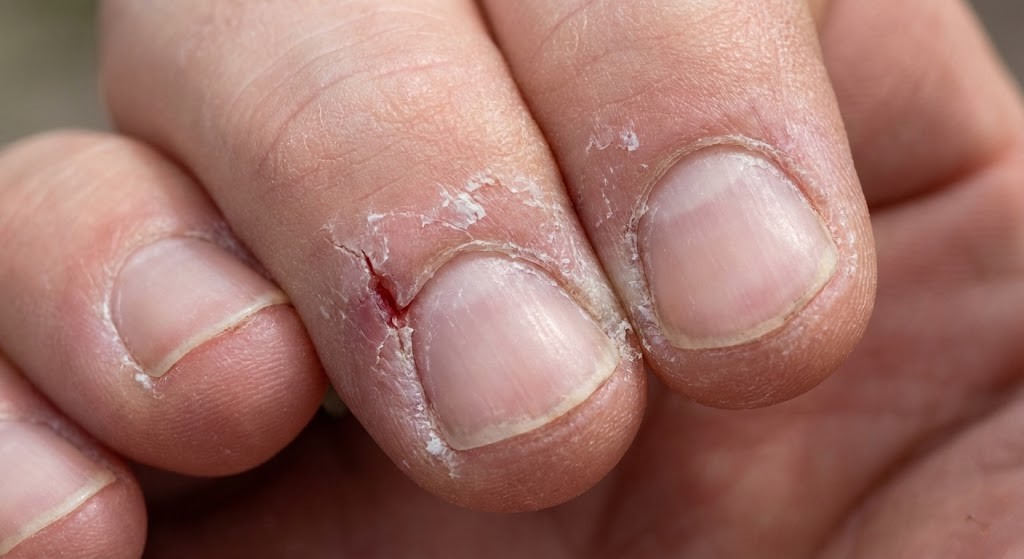
Deep cracks or fissures that may bleed or cause pain characterize severe damage. Swelling, redness, or warmth around the cuticle area indicate inflammation or potential infection. Raw, exposed skin where the cuticle has been torn or picked away leaves the nail matrix vulnerable. Chronic peeling that extends beyond the immediate cuticle area affects surrounding skin. Thickened, hardened cuticles from repeated trauma or chronic dryness resist normal treatment. Pain or tenderness that interferes with daily activities signals serious damage needing intervention.
If you’re experiencing any of these symptoms, the intensive overnight treatments in this guide can help jumpstart the healing process. However, if you notice signs of infection like pus, increasing redness spreading from the nail, fever, or severe pain, seek medical attention immediately as you may need antibiotics.
Common Causes of Severe Cuticle Damage
Understanding what’s causing your cuticle damage helps prevent recurrence and informs treatment choices.
Harsh Chemical Exposure
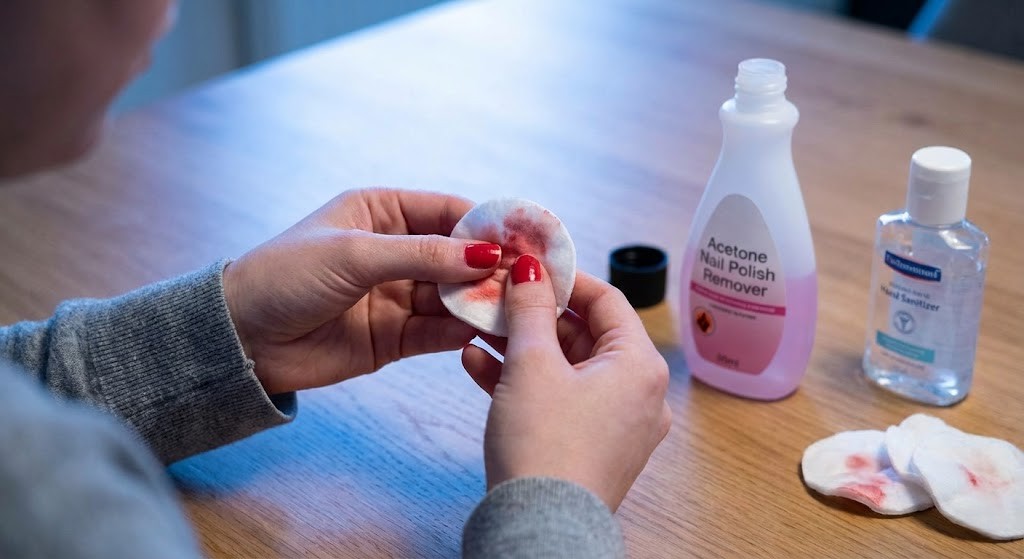
Frequent exposure to harsh chemicals is one of the leading causes of severe cuticle damage. Acetone-based nail polish removers strip natural oils from cuticles with each use, leading to progressive dryness and cracking. Gel and acrylic nail products, particularly when applied or removed improperly, cause chemical burns and severe dehydration to cuticle tissue. Household cleaning products without protective gloves expose cuticles to detergents, bleach, and other harsh substances. Frequent hand sanitizer use, while important for hygiene, contains high alcohol concentrations that dry out cuticle skin rapidly.
The cumulative effect of these exposures weakens the cuticle’s barrier function, making it more susceptible to cracking and infection.
Physical Trauma and Bad Habits
Physical damage to cuticles often stems from habits we may not even realize are harmful. Compulsive cuticle picking or biting, often stress-related, creates tears, bleeding, and chronic inflammation. Aggressive manicure practices including over-pushing cuticles, cutting too deeply, or using metal tools improperly cause immediate trauma. Overzealous cuticle trimming removes too much protective tissue, leaving the nail matrix exposed. Picking at hangnails instead of carefully trimming them extends tears deeper into healthy tissue.
Expert Insight: “I see severe cuticle damage most often in patients who’ve been receiving professional manicures with aggressive cuticle removal or those with dermatillomania (skin-picking disorder). The damage compounds over time—once the protective barrier is broken, it becomes increasingly susceptible to further trauma and infection. Breaking the cycle requires both physical healing and, often, addressing the underlying behavioral patterns.” — Dr. Rachel Kim, Board-Certified Dermatologist
Environmental and Health Factors
Sometimes cuticle damage results from factors beyond your control. Cold, dry winter weather causes moisture loss and cracking in exposed skin including cuticles. Frequent handwashing, especially with hot water and harsh soaps, strips away protective oils. Low humidity environments, particularly in air-conditioned or heated spaces, dehydrate cuticle tissue. Medical conditions like eczema, psoriasis, or thyroid disorders can manifest as chronic cuticle problems. Nutritional deficiencies in biotin, vitamin E, or essential fatty acids compromise skin barrier function. Certain medications including retinoids and chemotherapy drugs cause severe skin and cuticle dryness as side effects.
If you have an underlying health condition contributing to cuticle damage, treating the root cause alongside topical care produces the best results.
The Overnight Intensive Care Method: Step-by-Step Treatment
While severe cuticle damage won’t completely heal in a single night, this intensive overnight treatment protocol can produce visible improvements by morning, with full healing over 5-7 days of consistent care. The key is maximizing treatment during sleep when your hands are at rest and absorption is optimal.
Step 1: Gentle Cleansing and Preparation (5 minutes)
Begin by washing your hands with lukewarm (not hot) water and a gentle, fragrance-free cleanser. Hot water further strips oils and can worsen damage. Pat your hands dry gently—don’t rub, which can irritate damaged cuticles.
If your cuticles are especially dry or have product buildup, prepare a warm water soak. Fill a bowl with warm water (test temperature with your elbow—it should feel comfortably warm, not hot). Add one tablespoon of mild olive oil or a few drops of gentle liquid soap. Soak your fingertips for 3-5 minutes to soften the cuticles and increase receptivity to treatment products.
After soaking, gently pat your hands dry. Your cuticles should feel softer and more pliable, making them ready for the next treatment steps.
Step 2: Apply Healing Treatment Oil (2 minutes)
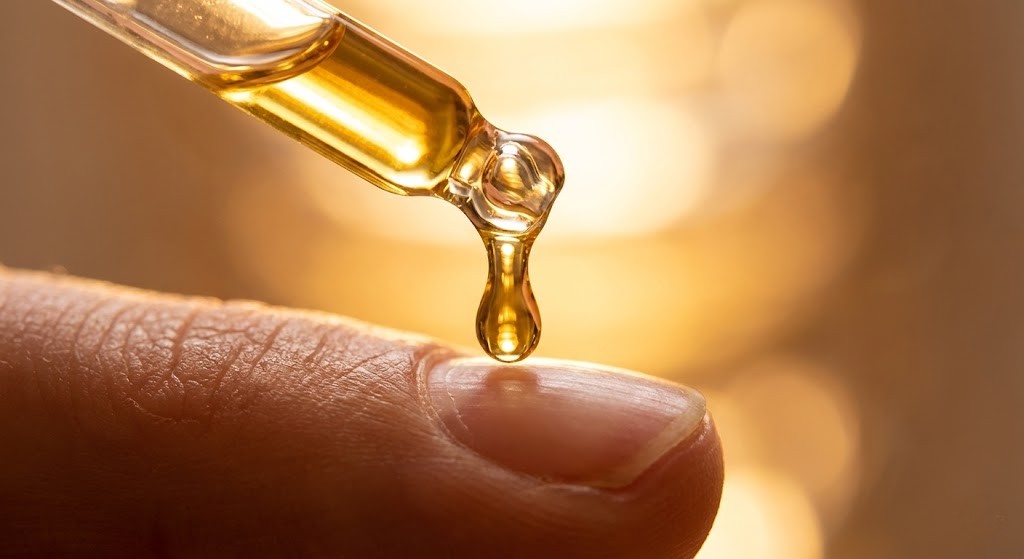
While your cuticles are still slightly damp (not dripping wet), apply a rich, healing oil. Damp skin absorbs oil-based treatments more effectively than completely dry skin. The best oils for severe cuticle damage include pure vitamin E oil, which has exceptional healing and antioxidant properties, jojoba oil that closely mimics your skin’s natural sebum for deep penetration, rosehip seed oil rich in essential fatty acids and vitamins A and C for tissue repair, and sweet almond oil that’s gentle yet deeply moisturizing.
Apply 1-2 drops of your chosen oil to each cuticle area. Using your opposite hand’s fingertip or a cotton swab, gently massage the oil into the cuticle and surrounding skin using small circular motions for 30-60 seconds per nail. This massage improves blood circulation to the area, enhancing nutrient delivery and healing. Pay special attention to areas with cracks, tears, or excessive dryness. Don’t rush this step—the massage action is therapeutic in itself.
Step 3: Layer with Intensive Healing Balm (3 minutes)
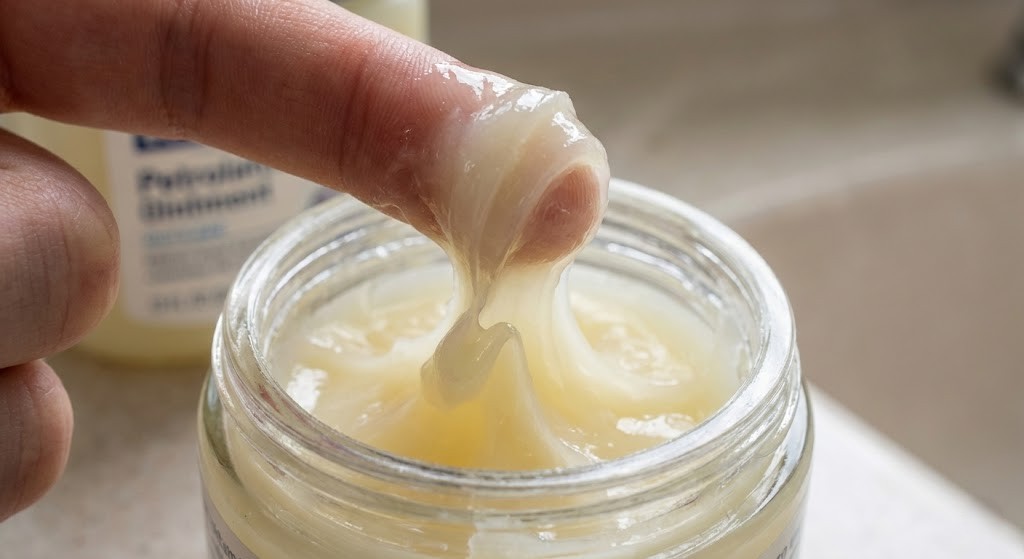
After the oil has absorbed for a minute or two, layer a thick healing balm over the cuticles. This creates an occlusive barrier that seals in the oil and prevents moisture loss overnight. Effective healing balms contain lanolin, which is highly emollient and creates an excellent moisture barrier, petroleum jelly (Vaseline) that provides unmatched occlusive protection, beeswax offering natural protection with antibacterial properties, shea butter that’s intensely moisturizing with vitamins A and E, or ceramides that repair the skin’s natural barrier function.
Apply a generous amount of balm to each cuticle, covering the entire cuticle area and extending slightly onto the surrounding skin and nail plate. The layer should be thick enough to create a visible coating—don’t be stingy here. For severe damage, you can also apply balm to your entire hand for added moisture.
Step 4: Optional Enhancement with DIY Healing Mask (5 minutes)
For the most severe damage, consider applying a homemade healing mask before the balm. Mix one tablespoon of raw honey (natural antibacterial and wound-healing properties) with one teaspoon of coconut oil or olive oil and 3-4 drops of lavender essential oil (optional, for anti-inflammatory benefits). Apply this mixture generously to all cuticles, let it sit for 5-10 minutes, then rinse with lukewarm water and pat dry before proceeding to apply your healing balm.
Step 5: Overnight Occlusion for Maximum Healing (8 hours)
The secret to dramatic overnight improvement is occlusion—creating a sealed environment that traps moisture and allows treatments to penetrate deeply. After applying your healing balm, wear cotton gloves overnight. This serves multiple purposes: it prevents you from unconsciously picking at cuticles during sleep, stops the balm from transferring onto your bedding, maintains constant moisture around the cuticles, and warms the area slightly to enhance absorption.
Choose 100% cotton gloves rather than synthetic materials, as cotton allows some breathability while maintaining the occlusive environment. If you don’t have gloves, you can wrap each finger individually in plastic wrap or use finger cots, though gloves are more comfortable. For severe damage on just a few nails, you can use adhesive bandages wrapped around individual fingers.
Sleep with the gloves on for at least 6-8 hours. The extended treatment time allows the healing ingredients to work their magic while your body’s natural repair processes are most active during sleep.
Morning After-Care
When you wake up, remove the gloves and gently wash your hands with lukewarm water. You should notice immediately softer, more hydrated cuticles. Any cracks or rough areas should appear less severe. Apply a lighter cuticle oil or hand cream to maintain moisture throughout the day, and reapply throughout the day whenever you wash your hands. Continue the overnight intensive treatment for 5-7 consecutive nights for severe damage, or 2-3 nights for moderate damage, gradually reducing frequency as cuticles heal.
Power Ingredients for Cuticle Repair
Understanding which ingredients provide the most healing benefit helps you select the most effective products or create your own treatment blends.
Essential Oils for Therapeutic Benefits
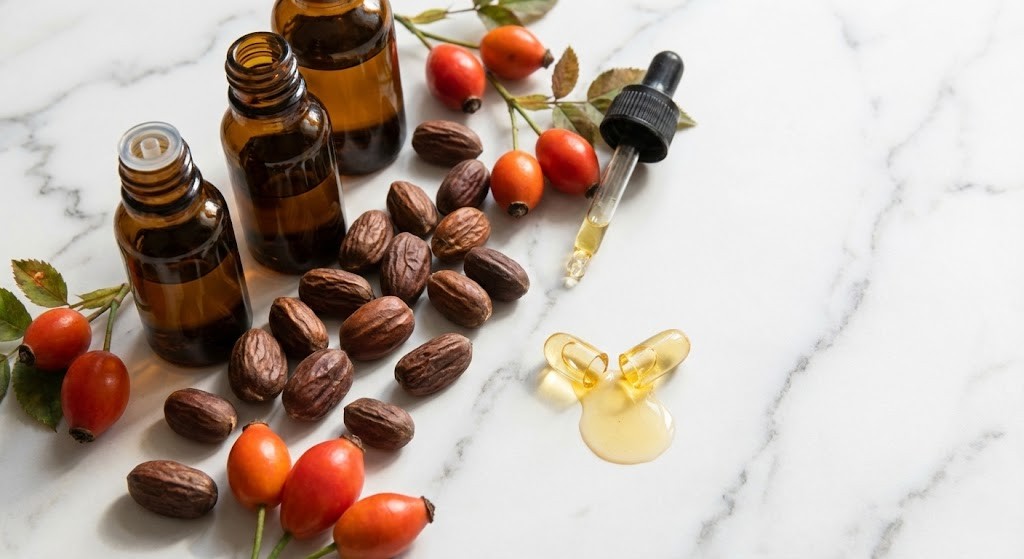
Essential oils offer concentrated therapeutic properties, but they must always be diluted in a carrier oil before application to avoid irritation. Tea tree oil has powerful antimicrobial properties that prevent infection in damaged cuticles. Use 2-3 drops per tablespoon of carrier oil. Lavender oil reduces inflammation, soothes irritation, and promotes tissue healing while offering aromatherapeutic calming effects. Frankincense oil is renowned for regenerative properties that help repair damaged tissue and reduce the appearance of scarring. Myrrh oil has been used for centuries for wound healing and has antimicrobial properties similar to tea tree oil. Chamomile oil (Roman or German) provides anti-inflammatory benefits and is gentle enough for very sensitive skin.
To create an effective healing blend, combine 2 tablespoons of carrier oil (jojoba, sweet almond, or vitamin E oil) with 3-4 drops total of your chosen essential oils. Store in a small dropper bottle and apply nightly.
Vitamins and Nutrients for Repair
Certain vitamins play crucial roles in skin repair and should be included in your cuticle care products. Vitamin E (tocopherol) is a powerful antioxidant that protects against free radical damage, deeply moisturizes, and accelerates wound healing. Look for products containing tocopheryl acetate or use pure vitamin E oil. Vitamin A (retinol) promotes cellular turnover and tissue regeneration but should be used carefully as it can be irritating. Look for gentler forms in cuticle treatments. Vitamin C (ascorbic acid) supports collagen production essential for skin structure and strength, though it’s more commonly used in serums than heavy cuticle treatments. Biotin (Vitamin B7) strengthens the nail structure and supports healthy keratin production, benefiting both nails and cuticles. Panthenol (Provitamin B5) attracts and retains moisture while promoting healing and reducing inflammation.
Many cuticle care products are now formulated with these vitamins, or you can purchase pure vitamin oils to incorporate into your routine.
Natural Healing Agents
Several natural ingredients have remarkable healing properties for damaged cuticles. Raw honey contains natural antibacterial enzymes, provides intense moisture, and has been used for wound healing for thousands of years. Apply directly to cuticles or mix into a treatment mask. Aloe vera gel offers anti-inflammatory and antimicrobial benefits, soothes irritation, and provides lightweight moisture. Use pure aloe vera gel or extract it fresh from the plant. Coconut oil deeply penetrates skin with medium-chain fatty acids, has natural antimicrobial properties, and creates a protective barrier. Use virgin, unrefined coconut oil for best results. Shea butter is intensely moisturizing with vitamins A and E, improves skin elasticity, and reduces inflammation. Look for unrefined, raw shea butter. Calendula (marigold) extract has anti-inflammatory and wound-healing properties, is gentle enough for sensitive skin, and is often found in healing balms and creams.
Nutrition for Nail and Cuticle Health from Within
While topical treatments provide immediate relief, addressing nutritional deficiencies ensures long-term cuticle health and prevents recurrent damage.
Essential Nutrients for Strong Cuticles
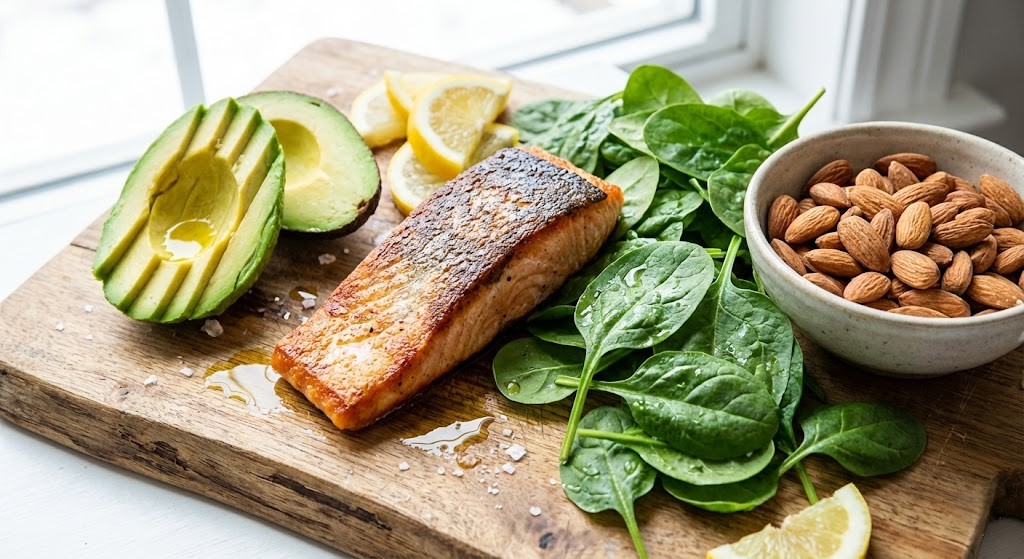
Biotin (Vitamin B7) is perhaps the most well-known nutrient for nail health. Studies show that biotin supplementation (2.5-5mg daily) can improve nail thickness and reduce splitting in people with brittle nails. Food sources include egg yolks, nuts (especially almonds and peanuts), salmon, sweet potatoes, and avocados.
Omega-3 fatty acids reduce inflammation, maintain cell membrane integrity, and prevent dryness. They’re found in fatty fish like salmon, mackerel, and sardines (2-3 servings weekly), walnuts and flaxseeds for plant-based options, and fish oil supplements (1000-2000mg EPA+DHA daily).
Protein provides the building blocks for keratin, the protein that forms nails and cuticles. Aim for 50-60g daily from lean meats, fish, eggs, legumes, Greek yogurt, and tofu. Iron deficiency is a common cause of brittle nails and poor cuticle health. Women are particularly susceptible due to menstrual blood loss. Sources include red meat, spinach and dark leafy greens, lentils and beans, and fortified cereals. Pair iron-rich foods with vitamin C for better absorption.
Zinc supports tissue repair and immune function, helping prevent infections in damaged cuticles. It’s found in oysters (highest source), beef and lamb, pumpkin seeds, and chickpeas. Vitamin E protects against oxidative damage and supports skin barrier function. Sources include almonds and sunflower seeds, spinach and broccoli, and avocados. Adequate hydration is crucial for maintaining skin moisture, including cuticles. Aim for 8-10 glasses of water daily, more if you’re active or in dry climates. Herbal teas and water-rich fruits and vegetables also contribute to hydration.
Signs Your Cuticles Need Nutritional Support
Persistent dryness despite topical treatments, extremely slow healing of minor cuts or hangnails, brittle, peeling nails that break easily, white spots on nails (can indicate zinc deficiency), and ridged nails (horizontal or vertical) may all suggest that addressing your nutrition could improve your cuticle health from within. Consider consulting with a healthcare provider for blood work to identify specific deficiencies.
Breaking Bad Habits: Behavioral Changes for Long-Term Health
If your severe cuticle damage stems from compulsive picking, biting, or other behavioral patterns, healing requires addressing both the physical damage and the underlying habit.
Understanding Cuticle Picking and Nail Biting
Cuticle picking and nail biting often fall under the umbrella of body-focused repetitive behaviors (BFRBs). These behaviors are typically triggered by stress, anxiety, or boredom and can become automatic over time. For some people, picking or biting provides temporary relief from negative emotions, creating a cycle that’s difficult to break.
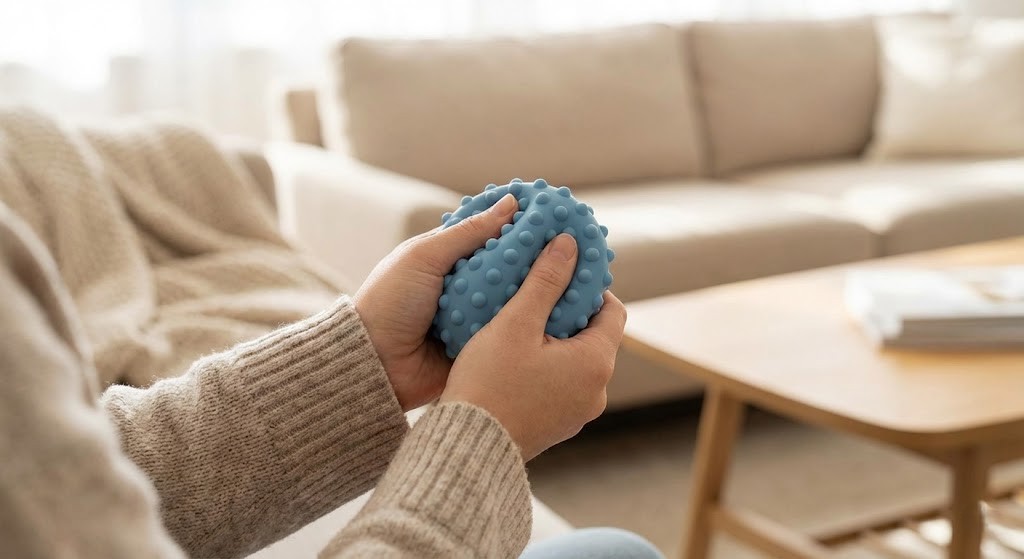
Strategies to break the habit include identifying triggers by keeping a journal of when you pick or bite (time of day, emotional state, situations) to recognize patterns. Implement barrier methods like keeping cuticles well-moisturized (rough, dry cuticles are more tempting to pick), wearing adhesive bandages on severely damaged fingers, applying bitter-tasting nail polish designed to deter biting, or wearing gloves when possible during trigger times.
Find replacement behaviors that give your hands something else to do during trigger moments. Try stress balls or fidget toys, knitting or crocheting, playing with textured objects, or doodling or coloring. Practice mindfulness through awareness techniques, noticing the urge to pick without acting on it, using deep breathing or brief meditation when urges arise, or practicing the “urge surfing” technique where you ride out the urge without giving in.
Seek professional support if needed. Cognitive behavioral therapy (CBT) is highly effective for BFRBs, with habit reversal training showing particular success. Support groups for people with dermatillomania or onychophagia (nail biting) can provide community and accountability. For severe cases, medication may help reduce anxiety or compulsive behaviors that drive the picking.
Preventing Future Cuticle Damage: Maintenance and Protection
Once you’ve healed severe cuticle damage, maintaining that health requires ongoing care and protection.

Daily Cuticle Care Routine
Establish a simple daily routine that takes just 2-3 minutes. After washing your hands, apply cuticle oil or rich hand cream focusing on the cuticle area. Keep a small bottle of cuticle oil at your desk, in your car, and by your bedside for easy access. Gently push back cuticles after showering when they’re soft, using a rubber cuticle pusher or orangewood stick wrapped in cotton. Never cut cuticles unless there’s a hangnail, and then only trim the loose piece—not the entire cuticle. Wear gloves when doing dishes, cleaning, or gardening to protect cuticles from harsh chemicals and friction.
Choosing Nail-Friendly Products
The products you use on your nails can make or break cuticle health. Opt for acetone-free nail polish removers that are less drying than traditional acetone-based removers. Choose nail polishes labeled “5-free,” “7-free,” or “10-free,” meaning they’re free from the most harmful chemicals. Look for cuticle oils containing natural oils (jojoba, vitamin E, sweet almond) rather than mineral oil. Select gentle, fragrance-free hand soaps that won’t strip moisture. Avoid gel and acrylic nails if you have chronic cuticle issues, or ensure proper application and removal by trained professionals.
Professional Manicure Safety
If you get professional manicures, communicate clearly with your technician about your cuticle sensitivity. Request that they don’t cut your cuticles, only gently push them back. Avoid aggressive cuticle removal during Russian or gel manicures. Ensure all tools are properly sterilized to prevent infection risk. Consider bringing your own tools to guarantee cleanliness.
When to See a Dermatologist
While most cuticle damage can be treated at home, certain situations require professional medical attention. Seek care if you experience signs of infection including increasing redness spreading from the nail, pus or yellow-green discharge, fever or chills, severe throbbing pain, or red streaks extending up the finger.
Consult a doctor if you have chronic cuticle problems that don’t improve with home treatment after 2-3 weeks, recurring infections around the nails, severe damage following professional nail services that might indicate chemical burns, cuticle issues accompanied by nail changes like discoloration, thickening, or separation, or suspected underlying conditions like psoriasis or eczema.
Dermatologists can prescribe prescription-strength treatments including topical antibiotics for infections, corticosteroid creams for inflammation, antifungal medications if fungal infection is present, or custom compounded healing ointments. They can also address underlying skin conditions contributing to chronic cuticle problems.
Real Success Stories
Sarah, 34, shares her experience with severe cuticle damage from gel manicures: “After years of gel manicures, my cuticles were destroyed—cracked, bleeding, and constantly painful. I stopped the gels and started the overnight treatment with vitamin E oil and Aquaphor in cotton gloves. The first morning, I couldn’t believe how much softer they felt. After one week of nightly treatments, the cracks had healed significantly. After three weeks, my cuticles looked better than they had in years. I now do the intensive treatment once weekly for maintenance.”
Michael, 28, struggled with compulsive cuticle picking: “My cuticle picking was stress-related and left my fingers constantly raw and embarrassing. I started seeing a therapist who specialized in BFRBs and began the nightly healing routine. Keeping my cuticles moisturized actually reduced the urge to pick since there weren’t rough edges tempting me. It took about two months of combined therapy and consistent cuticle care, but I’ve been pick-free for six months now and my cuticles have completely healed.”
The Bottom Line
Healing severe cuticle damage overnight is possible when you implement intensive treatment strategies before bed and maintain consistent care over the following days. The combination of gentle cleansing, therapeutic oils, occlusive healing balms, and overnight protection creates optimal conditions for rapid repair.
Remember that true overnight healing means starting the healing process with dramatic improvements by morning, not complete resolution in 8 hours. Most severe damage requires 5-7 days of consistent intensive treatment for full healing. Support your topical treatments with proper nutrition, adequate hydration, and protection from further damage. If behavioral habits contribute to your cuticle damage, addressing these patterns is essential for preventing recurrence.
Your cuticles serve a vital protective function and deserve the same attention you give to other aspects of your health. With the right approach, even severely damaged cuticles can heal and regain their protective, healthy appearance. Start your intensive overnight treatment tonight and wake up to the beginning of healthier, happier cuticles.
Frequently Asked Questions
Can you really heal cuticles overnight?
While complete healing takes 5-7 days, intensive overnight treatment can produce dramatic improvements by morning. You’ll notice softer, more hydrated cuticles with reduced pain and less visible cracking after just one night of treatment.
What’s the fastest way to heal damaged cuticles?
The fastest healing comes from the overnight intensive method: apply healing oil, layer with occlusive balm, wear cotton gloves overnight, and repeat for 5-7 consecutive nights. This maximizes treatment time and prevents further damage during sleep.
What causes severely damaged cuticles?
The most common causes are harsh chemical exposure (nail products, cleaning supplies), physical trauma (picking, aggressive manicures), environmental factors (cold weather, frequent handwashing), and underlying health conditions (eczema, nutritional deficiencies).
Should I cut my damaged cuticles?
No. Cutting cuticles removes your nail’s protective barrier and can worsen damage. Instead, gently push back softened cuticles and only trim loose hangnails carefully with sterilized cuticle nippers.
What’s the best oil for cuticle repair?
Vitamin E oil, jojoba oil, and rosehip seed oil are most effective for healing. Vitamin E offers exceptional healing properties, jojoba closely mimics natural skin oils, and rosehip provides essential fatty acids for tissue repair.
How do you stop picking your cuticles?
Breaking the picking habit requires identifying triggers, using barrier methods (moisturizer, bandages, bitter nail polish), finding replacement behaviors (fidget toys, stress balls), and potentially seeking therapy specializing in body-focused repetitive behaviors.